
Health and Wellness: Your Complete Guide to Balanced Living
Health and wellness shape every moment of your life. When you feel good physically and mentally, you handle stress better, enjoy deeper relationships, and show up as your best self. This isn’t about perfection or following expensive trends. It’s about understanding what actually works and making simple changes that stick.
Your quality of life comes down to daily choices. How you eat, move, sleep, and connect with others builds everything else. The best part? You don’t need a gym membership or complicated plans. Real holistic wellness starts with small steps anyone can take today.
Understanding Health and Wellness
Health and wellness sound similar but mean different things. Health is your current physical, mental, and social state. The World Health Organization defines it as “complete physical, mental and social well-being, not just the absence of disease.” You can be illness-free but still feel exhausted or anxious.
Wellness is the active process of making choices for a healthy lifestyle. It’s a journey, not a finish line. While health includes factors you can’t control like genetics, wellness focuses on what you can change. Walking instead of sitting all day, eating real food instead of processed meals, calling a friend instead of scrolling alone-these are wellness practices that compound over time. They build preventive healthcare that reduces your risk of chronic disease.
The Six Dimensions of Wellness
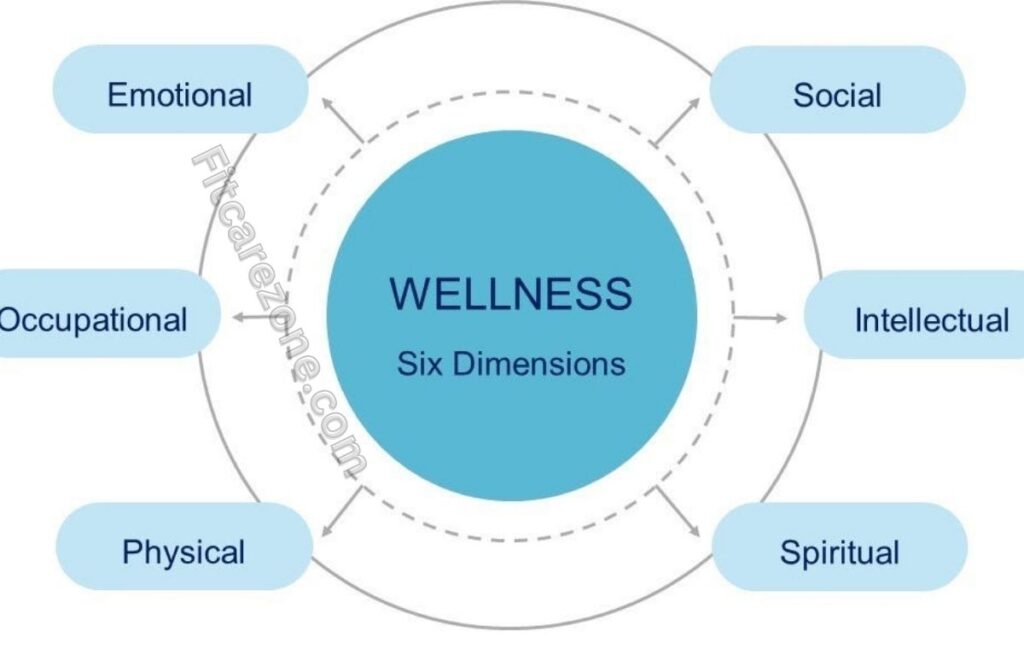
Holistic wellness includes six connected areas. Understanding them helps you spot gaps and build a balanced lifestyle.
Physical wellness is your foundation. This means regular movement, good nutrition, quality sleep, and basic medical care. The CDC recommends 150 minutes of moderate activity weekly plus strength training twice. But any movement beats none. Stairs instead of elevators, 10-minute walks, stretching before bed-it all counts for fitness and wellness. What you eat becomes your cells, so focus on whole foods, vegetables, fruits, lean protein, and water. Sleep repairs your body, strengthens immunity, and processes emotions. Adults need 7-9 hours nightly.
Mental wellness keeps your mind sharp. This includes learning new things, solving problems, staying creative, and engaging your brain. Reading, conversations, new skills-all support cognitive health and prevent mental decline.
Emotional wellness means managing your feelings effectively. This covers stress management, emotional regulation, and resilience. People with strong emotional wellness feel difficult emotions without drowning in them. They bounce back from setbacks faster using healthy coping tools.
Social wellness reflects relationship quality. Meaningful connections dramatically impact mental health and wellbeing. Strong relationships provide support, reduce loneliness, and actually improve physical health. This includes family, friends, and community involvement.
Spiritual wellness addresses purpose and meaning. This doesn’t require religion, though it can include faith. It’s about your values and what makes life meaningful. Whether through nature, meditation, service, or reflection, spiritual wellness helps you navigate life’s big questions.
Environmental wellness recognizes that surroundings affect health. Your living space, work environment, air quality, and nature access all matter. Clean, organized spaces and time outdoors support this dimension.
These six areas connect deeply. Better physical wellness through exercise boosts mental wellness through improved mood. Stronger social wellness through relationships enhances emotional wellness by creating support systems. You don’t need perfection everywhere—just gradual improvement in what matters most right now.
Physical Wellness Essentials
Your body carries you through everything, and physical wellness determines how well it performs. When physical health suffers, everything else gets harder-energy drops, mood sinks, focus wavers.
Movement delivers benefits beyond weight or muscle. Exercise cuts risk of heart disease, diabetes, and cancer. It strengthens bones, boosts immunity, and grows new brain connections. Find what you enjoy-dancing, gardening, walking, swimming-because you’ll stick with pleasure, not punishment.
Nutrition and wellness work together. Eat whole foods, vegetables, fruits, lean protein, and healthy fats. Don’t follow restrictive diets. Just add more good stuff instead of stressing about elimination. Drink enough water since it powers every body function.
Sleep is when your body repairs itself. During sleep, you release growth hormones, consolidate memories, process emotions, and strengthen immunity. Poor sleep increases inflammation, weakens decisions, and raises disease risk. Consistent bedtimes, less screen time before bed, and cool dark rooms all help.
Preventive healthcare completes the picture. Regular check-ups catch problems early. Get dental care, eye exams, and age-appropriate screenings. Many conditions develop silently, making routine care essential even when you feel fine.
Mental and Emotional Health

Mental wellness and emotional wellness deserve equal attention to physical health but often get ignored until crisis hits.
Mental health and wellbeing covers how you process information and handle stress. You don’t need a diagnosis to benefit from supporting your mind. Everyone experiences low mood, worry, or mental fatigue sometimes.
Stress management ranks among the most critical modern skills. Some stress motivates action, but chronic stress wrecks both mind and body. It triggers cortisol that, when constantly high, feeds anxiety, depression, high blood pressure, gut issues, and weak immunity. Try mindfulness practices, deep breathing (4-7-8 method works great), muscle relaxation, and time management.
Mindfulness means paying attention to now without judging. Regular practice cuts rumination, improves emotional control, sharpens focus, and even changes brain structure. You don’t need hours-five minutes of mindful breathing helps noticeably.
Emotional regulation lets you feel everything without emotions controlling you. Recognize feelings as they arrive, understand triggers, and choose responses instead of reacting. People with strong emotional wellness sit with discomfort, process emotions healthily, and keep perspective during hard times.
Building resilience prepares you for setbacks. Resilient people don’t face less trouble—they’ve developed flexibility and coping tools that speed recovery. Grow resilience through supportive relationships, reframing negative thoughts, focusing on what you control, and learning from challenges.
Professional mental health support helps beyond crises. Therapy gives tools for daily stress, processing experiences, improving relationships, and reaching goals. Wellness coaching offers personalized strategies for your needs.
Why Wellness Matters Now
Modern life has changed, and not everything supports wellbeing. Understanding why health and wellness matter more today motivates better daily choices.
Mental health challenges hit crisis levels. The World Health Organization reports nearly 1 billion people worldwide live with mental disorders, but most lack care. Depression and anxiety rates climbed sharply, especially among young people. The pandemic made this worse through isolation and uncertainty.
Chronic diseases cause 71% of deaths globally per WHO data. Heart disease, diabetes, cancer, respiratory illness-many are preventable through lifestyle changes. Poor diet, inactivity, tobacco, and excess alcohol drive most chronic disease, yet these factors respond to wellness practices and preventive healthcare.
Work culture damages wellbeing. Burnout spreads as work-life boundaries blur. Always-on tech, long hours, and constant connectivity leave no recovery time. Results show exhaustion, cynicism, low productivity, and failing health. Companies now invest in wellness programs because healthy workers perform better.
Social isolation became epidemic despite digital connection. People feel lonelier than past generations. Social media fakes connection while increasing inadequacy feelings. Research shows loneliness risks match smoking 15 cigarettes daily-inflammation, weak immunity, high blood pressure, heart disease, and dementia risks all rise.
Growing awareness sparked more wellness investment. Wellness coaching, mental health support, workplace programs, and public health efforts recognize prevention costs less than treatment. Understanding these trends shows you’re not alone and empowers better choices.
Simple Daily Wellness Habits
Building wellness practices doesn’t need huge changes. Small, consistent habits fitting your routine work best. These daily wellness habits compound into real improvements.
Start mornings intentionally. Before grabbing your phone, take 10-15 minutes for activities setting a positive tone-stretching, water, breakfast, breathing, or quiet thought. How you start affects energy, mood, and decisions all day.
Move throughout the day, not just workouts. Stand and stretch hourly. Walk during calls. Do squats waiting for coffee. Park farther away. These micro-movements improve circulation, reduce tension, and boost clarity.
Practice mindful eating. Sit down for meals without screens. Chew slowly, notice flavors and textures. This improves digestion, helps recognize fullness, and turns eating into self-care. Add whole foods, vegetables, and water instead of stressing about restrictions.
Build connections daily. Text someone you care about. Have real conversations, not just texts. Schedule video calls with distant loved ones. Brief genuine moments fight isolation and strengthen support. Social wellness needs maintenance like fitness.
Create boundaries protecting energy. Say no to draining commitments. Set specific work availability times instead of constant access. Protect restoration time for reading, hobbies, nature, or nothing. Rest isn’t lazy-it’s essential.
Practice gratitude. Spend two minutes daily noting three things you appreciate. This shifts brain focus from problems to positives without ignoring difficulties. Research shows gratitude cuts depression and anxiety while boosting satisfaction.
These healthy living tips work because they’re sustainable. You’re not becoming someone else overnight. Small adjustments gradually reshape days healthier. Start with one or two accessible habits, establish them, then add more. The goal isn’t perfection-it’s progress toward a balanced lifestyle supporting wellbeing.
Start Your Wellness Journey with FitCareZone
Understanding health and wellness is just the start. Real change needs ongoing support and reliable resources meeting you where you are.
FitCareZone bridges knowing and doing. Wellness isn’t one-size-fits-all. What works for others might not fit your life. We provide evidence-based info across all wellness dimensions, empowering choices matching your situation.
Find comprehensive resources on physical wellness, mental wellness, emotional wellness, and more. Whether you need nutrition guidance, exercise ideas, stress management techniques, or relationship strategies, we offer practical content for real life. We cut through industry noise to focus on what actually works.
FitCareZone partners with you long-term for building a healthy lifestyle. No extreme approaches, unrealistic expectations, or judgment. Just compassionate, practical support recognizing wellness as an ongoing process.
Start today: Take our free 2-minute wellness assessment to identify your priority areas. Explore our library of quick-start guides. Join our community newsletter for weekly evidence-based tips. Your wellbeing matters, and you deserve support.
When you prioritize wellness, you show up better everywhere-relationships, work, personal goals. Small daily choices compound into transformed quality of life. Building holistic wellness creates ripples beyond just you.
Frequently Asked Question – Health and Wellness
What’s the difference between health and wellness?
Health is your current physical, mental, and social state measured objectively. Wellness is actively making daily choices for healthy living. You can have good health but poor habits, or strong wellness while managing chronic conditions.
What are the six wellness dimensions?
Physical (exercise, nutrition, sleep), mental (learning, cognitive function), emotional (stress management, feelings), social (relationships, community), spiritual (purpose, values), and environmental (surroundings, nature). They connect-improving one helps others.
How can I improve wellness without spending money?
Walk regularly. Do bodyweight exercises at home. Try free meditation apps. Have genuine conversations. Improve sleep hygiene. Drink tap water. Practice gratitude. Spend time in nature. These fundamentals cost nothing.
Why is mental health part of wellness?
Mental state directly affects physical health through stress hormones, immunity, and behaviors. Poor mental health impacts relationships and daily life. The WHO states “no health without mental health.” Supporting mental wellness strengthens everything.
What daily habits can I start today?
Drink water before checking your phone. Take 2-minute movement breaks hourly. Eat one screen-free meal daily. Connect genuinely with one person. Practice 5-minute deep breathing. Note three appreciations before bed. Set one work boundary.
How long until I see wellness results?
Some benefits appear immediately-better mood from a 20-minute walk, sharper focus from hydration. Others need weeks-fitness gains after 4-6 weeks, therapy benefits after several sessions. Long-term health improvements develop over months of consistent habits