
What Is Good Health? Meaning, Types & Key Factors
Being healthy isn’t just about not getting sick – it’s so much more than that. Good health means feeling well in your body, mind, and emotions so you can enjoy life fully. When you have good mental health and physical fitness working together, you wake up with energy, handle daily challenges without falling apart, and feel connected to the people around you. True health includes mental wellbeing, strong relationships, emotional wellbeing, and the ability to bounce back when life gets tough. At Fitcarezone, we break down what health really means, the different types you need to focus on, and the key factors that help you feel your best every single day. Whether you’re dealing with stress, want to improve your mental health and wellbeing, or just trying to understand what a healthy life looks like, you’re in the right place.
What Is Health?
Health is the state of complete physical, mental, and social wellbeing – not just the absence of disease or illness. It’s about feeling good in your body, having a clear and calm mind, and maintaining positive relationships with others. The mental health definition goes beyond just “not being depressed” – it includes how you think, feel, and cope with everyday life challenges.
Your overall health depends on multiple factors working together. Physical health covers your body’s condition, fitness level, and ability to fight off illness. Mental wellbeing involves your thoughts, emotions, and how you handle stress management techniques when things get overwhelming. Social health relates to your connections with family, friends, and community – because social connections and mental health are deeply linked.
True health also means having the tools to maintain balance. This includes building resilience to bounce back from setbacks, developing healthy routines for mental health, practicing mental health self care, and knowing when you need mental health support. It’s about coping with stress effectively, using mindfulness for mental health, and having access to mental health resources and support when challenges feel too big to handle alone. When all these pieces work together, you experience what we call mental health resilience – the ability to adapt, recover, and thrive no matter what life throws your way.
What Does Good Health Mean in Daily Life?
Good health in daily life means waking up with energy to do the things you love, not just surviving but actually thriving. It’s having the strength to play with your kids, the mental clarity to focus at work, and the emotional wellbeing to enjoy moments with friends without feeling overwhelmed. You know you have good health when you can handle stress without completely breaking down, sleep well at night, and feel genuinely happy most days.
In practice, this means using stress management techniques when deadlines pile up, maintaining healthy routines for mental health like regular exercise and proper sleep, and practicing mental health self care without guilt. It’s about coping with stress through healthy habits instead of ignoring problems until they explode. Good health shows up when you have social connections and mental health support from loved ones, know how to use mindfulness for mental health during anxious moments, and aren’t afraid of seeking mental health support when you need professional help.
Daily good mental health looks like being able to adapt when plans change, having the mental health resilience to bounce back from bad days, and knowing where to find mental health resources and support during tough times. It’s building resilience through small daily choices – eating nutritious food, moving your body, connecting with others, and taking breaks when needed. True mental wellbeing means you can experience the full range of human emotions without getting stuck in the negative ones for too long.

Types of Health
Health isn’t one-size-fits-all – it’s made up of different types that all work together to make you feel whole. Understanding these seven types helps you figure out which areas need more attention in your life. When you balance physical, mental, emotional, social, spiritual, occupational, and environmental health, you create a strong foundation for overall mental health and wellbeing that lasts.
Physical Health
Physical health is how well your body works and feels every day. It includes your fitness level, nutrition, sleep quality, and whether you’re free from illness or injury. Good physical health means you have energy for daily activities, your body can fight off sickness, and you’re not dealing with constant aches or pain. Taking care of your physical health through regular exercise, eating balanced meals, getting 7-9 hours of sleep, and seeing doctors for check-ups creates the foundation for everything else – because when your body feels good, managing stress and maintaining mental wellbeing becomes much easier.
Mental Health
Mental health is about how your brain works, how you think, and how you process information and emotions. It includes your ability to concentrate, make decisions, learn new things, and maintain good mental health even during challenging times. Strong mental health means you can think clearly, solve problems effectively, and use stress management techniques when life gets overwhelming. Mental health self care includes activities like reading, learning new skills, getting enough sleep for brain health, practicing mindfulness for mental health, and seeking mental health support through therapy or counseling when negative thought patterns become too strong.
Emotional Health
Emotional health is your ability to understand, express, and manage your feelings in healthy ways. It’s about recognizing when you’re sad, angry, happy, or anxious and knowing how to handle those emotions without letting them control you. Good emotional wellbeing means you can cry when you’re hurt, celebrate when you’re happy, and talk about your feelings instead of bottling them up. Coping with stress emotionally involves building resilience through techniques like journaling, talking to trusted friends, and allowing yourself to feel emotions without judgment – understanding that all feelings are valid and temporary.
Social Health
Social health refers to the quality of your relationships and how well you connect with others. It includes friendships, family bonds, romantic relationships, and your sense of belonging in your community. Strong social connections and mental health are deeply linked – people with supportive relationships tend to have better mental wellbeing and live longer, healthier lives. Good social health means you have people to talk to when you’re struggling, enjoy spending time with others, can set healthy boundaries, and feel valued and understood. Building social health involves reaching out to friends, joining groups with shared interests, and being willing to ask for mental health resources and support from your social network.

Spiritual Health
Spiritual health is about finding meaning, purpose, and connection to something bigger than yourself – whether that’s through religion, nature, meditation, or personal values. It’s not necessarily about being religious; it’s about understanding what gives your life meaning and feeling connected to your purpose. Good spiritual health provides comfort during hard times, helps guide your decisions, and contributes to overall mental health resilience. Practices like meditation, mindfulness for mental health, spending time in nature, volunteering, or following religious traditions can strengthen your spiritual wellbeing and give you a sense of peace even when everything else feels chaotic.
Occupational Health
Occupational health is about finding satisfaction and balance in your work life without burning out. It includes enjoying what you do (at least most days), feeling valued at work, maintaining work-life balance, and not letting job stress destroy your mental health and wellbeing. Good occupational health means your job challenges you without overwhelming you, you have supportive coworkers or a positive work environment, and you can leave work problems at work instead of carrying them home. Stress management techniques like setting boundaries, taking regular breaks, and using your vacation time are essential for maintaining healthy routines for mental health at work.
Environmental Health
Environmental health is how your surroundings – both natural and built – affect your overall wellbeing. This includes the air you breathe, the water you drink, the safety of your neighborhood, and even how your living space makes you feel. A cluttered, noisy, or unsafe environment can drain your energy and harm your mental wellbeing, while clean, organized, peaceful spaces support good mental health. Improving environmental health might mean decluttering your home, adding plants to your space, spending time outdoors, reducing exposure to toxins, or moving to a safer neighborhood if possible – because your environment directly impacts your ability to practice mental health self care and maintain emotional wellbeing.
Why Good Health Is Important
Good health is your most valuable asset because everything else in life depends on it. Without physical strength and mental wellbeing, you can’t enjoy relationships, pursue career goals, or experience life’s simple pleasures. When you prioritize mental health and wellbeing, you’re investing in a longer, happier, more fulfilling life.
Benefits of Good Physical and Mental Health
Good mental health and physical fitness give you energy to chase your dreams, clarity to make smart decisions, and strength to handle life’s ups and downs. You sleep better, feel happier, have stronger relationships, and reduce your risk of serious diseases. People with strong mental health resilience recover faster from setbacks, enjoy deeper social connections and mental health benefits, and experience less anxiety and depression throughout their lives.
Impact of Health on Quality of Life
Your health directly determines your quality of life – it affects your ability to work, play with your kids, travel, maintain independence, and enjoy daily activities. Poor emotional wellbeing and physical health limit what you can do, where you can go, and how you experience the world. When you maintain good health, you have freedom, energy, and mental wellbeing to live life on your terms instead of being held back by illness or chronic stress.
Factors That Affect Good Health
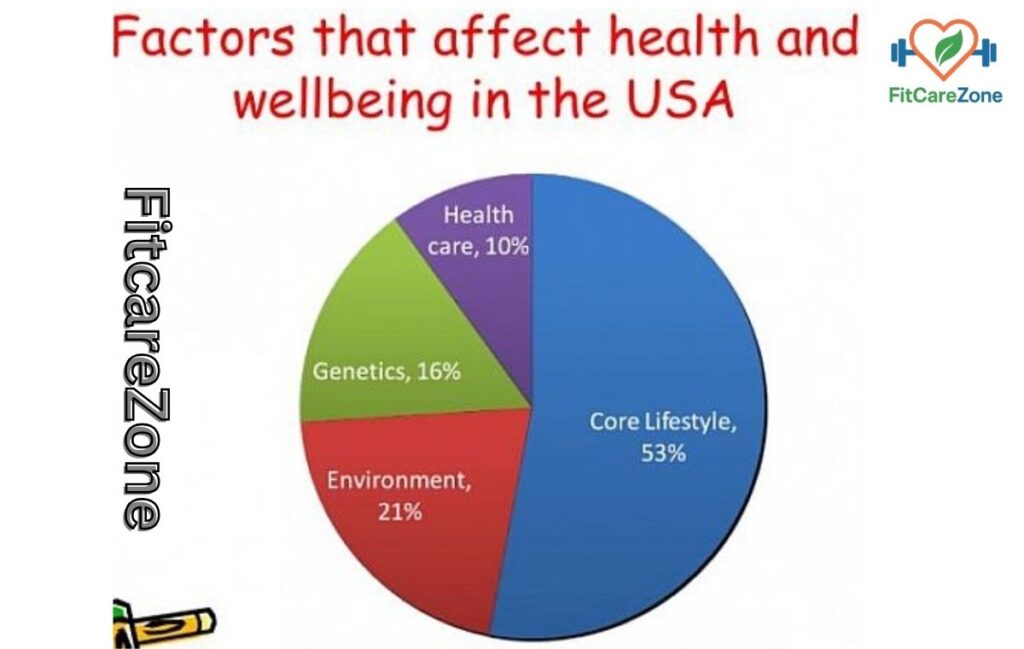
Your health isn’t just about your choices – it’s shaped by genetics you inherited, lifestyle habits you control, environment you live in, and resources you can access. Understanding these factors helps you work with what you can change while managing what you can’t.
Genetic Factors
Your genes influence your risk for certain diseases, how your body processes food, your natural mental health resilience, and even tendencies toward anxiety or depression. While you can’t change your DNA, knowing your family health history helps you take preventive steps early. Building resilience and using stress management techniques matter even more if mental health challenges run in your family.
Lifestyle Factors
Your daily choices – what you eat, how much you move, whether you smoke or drink, and how you manage stress – have the biggest impact on your health. Healthy routines for mental health like exercise, good sleep, balanced nutrition, and mental health self care are completely within your control. Small lifestyle changes create big results over time for both physical health and mental wellbeing.
Environmental Factors
Where you live affects your health – air quality, water safety, noise levels, access to parks and healthy food, and neighborhood safety all matter. Living in polluted areas, unsafe neighborhoods, or “food deserts” without fresh groceries makes maintaining good health much harder. Even your home environment impacts emotional wellbeing – cluttered, chaotic spaces increase stress while clean, organized environments support mental health and wellbeing.
Socioeconomic Factors
Your income, education level, and job stability directly affect your health through access to nutritious food, safe housing, healthcare, and time for mental health self care. Financial stress creates constant worry that harms mental wellbeing, while poverty limits choices for exercise, healthy eating, and seeking mental health support. Education gives you knowledge to make better health decisions and advocate for yourself.
Access to Healthcare and Health Equity
Having affordable healthcare, insurance, nearby clinics, and culturally competent providers determines whether you get preventive care, treatment when sick, and mental health resources and support. Health inequity means some people face bigger barriers to care based on race, location, income, or disability. Good mental health requires access to therapy, medication if needed, and support systems – resources not everyone can easily reach.
How to Maintain and Improve Good Health
Improving your health doesn’t require perfection – it’s about making small, consistent choices that add up over time. Focus on the basics that have the biggest impact on both physical and mental health and wellbeing.
Healthy Diet and Nutrition
Eating balanced meals with plenty of vegetables, fruits, whole grains, and lean proteins fuels your body and brain. Good nutrition stabilizes your mood, improves mental wellbeing, gives you energy, and reduces disease risk. Skip extreme diets – focus on eating real food, staying hydrated, and limiting processed junk that drains your energy and worsens stress.
Regular Physical Activity
Moving your body regularly – whether walking, dancing, swimming, or lifting weights – is one of the best stress management techniques available. Exercise releases feel-good chemicals, improves sleep, builds mental health resilience, reduces anxiety and depression, and keeps your body strong. Aim for 30 minutes most days, but even 10-minute walks help your mental wellbeing.
Mental Wellbeing and Stress Management
Coping with stress effectively protects your health – try mindfulness for mental health, deep breathing, journaling, talking to friends, or therapy when needed. Practice mental health self care without guilt by setting boundaries, saying no when overwhelmed, and making time for activities you enjoy. Building resilience means developing healthy ways to handle life’s challenges instead of ignoring them until you break.
Sleep and Recovery
Quality sleep (7-9 hours for adults) is essential for good mental health, physical recovery, immune function, and emotional regulation. Poor sleep worsens stress, weakens mental health resilience, and increases disease risk. Create healthy routines for mental health by keeping consistent sleep schedules, limiting screens before bed, and making your bedroom dark, quiet, and cool.
Preventive Healthcare and Regular Checkups
Regular checkups catch problems early when they’re easier to treat and give you peace of mind about your health. Don’t skip annual physicals, dental visits, mental health screenings, or recommended tests. Seeking mental health support through therapy or counseling before reaching crisis point is preventive care too – it’s mental health resources and support that keeps small problems from becoming big ones.
Common Habits That Harm Health
Understanding what damages your health helps you recognize patterns and make changes before serious problems develop. These common habits slowly erode both physical health and mental wellbeing over time.
Poor Diet and Sedentary Lifestyle
Eating mostly processed foods, sugar, and junk while sitting all day creates a perfect storm for disease, low energy, and poor mental health. This combination increases obesity, diabetes, heart disease risk, and worsens depression and anxiety. Your body and brain need movement and real nutrition to maintain good mental health and emotional wellbeing.
Lack of Sleep
Chronic sleep deprivation destroys mental wellbeing, weakens your immune system, impairs decision-making, and increases stress hormones. When you regularly sleep less than 7 hours, you lose mental health resilience, struggle with coping with stress, and face higher risks for accidents, illness, and mental health problems. Sleep isn’t optional – it’s when your body and mind repair themselves.
Chronic Stress and Mental Burnout
Ignoring stress until you burn out damages both physical and mental health through elevated cortisol, inflammation, weakened immunity, and exhaustion. Without effective stress management techniques and regular mental health self care, chronic stress leads to anxiety, depression, heart problems, and other serious conditions. Building resilience requires addressing stress before it becomes overwhelming.
Substance Abuse
Using alcohol, drugs, or tobacco to cope with stress or numb emotions temporarily masks problems while creating bigger ones. Substance abuse damages organs, increases disease risk, worsens mental health and wellbeing, destroys relationships, and makes coping with stress even harder. Seeking mental health support and mental health resources and support for underlying issues is essential for recovery.
Good Health Across Different Life Stages
Health needs change throughout life – what works at 20 won’t work at 70. Understanding these stages helps you adjust your approach to maintain good health at every age.
Health in Childhood
Childhood sets the foundation for lifelong health through proper nutrition, physical activity, adequate sleep, and social connections and mental health development. Kids need structure, play, healthy food, and emotional support to develop mental health resilience and healthy habits. Teaching children mindfulness for mental health, emotional wellbeing skills, and healthy routines for mental health early creates patterns that last a lifetime.
Health in Adulthood
Adult health focuses on preventing disease, managing stress from work and family responsibilities, and maintaining balance. This stage requires intentional mental health self care, regular exercise, stress management techniques, and building resilience to handle career pressure, relationships, and possibly caring for both children and aging parents. Don’t sacrifice your mental wellbeing for productivity – seeking mental health support when overwhelmed prevents burnout.
Health in Old Age
Senior health emphasizes maintaining independence, managing chronic conditions, staying socially connected, and preserving mental wellbeing. Physical activity, good nutrition, mental stimulation, and strong social connections and mental health networks become even more critical. Good mental health in older age includes adapting to life changes, finding new purpose, using mental health resources and support for grief or depression, and maintaining emotional wellbeing through connection and meaning.
Preserving Long-Term Health Naturally
Long-term health comes from consistent daily choices, not quick fixes or extreme measures. Good health naturally emerges when you prioritize mental health and wellbeing alongside physical care through sustainable habits you can maintain for years.
Focus on healthy routines for mental health that feel good rather than punishing – eating foods you enjoy that also nourish you, moving in ways that are fun, practicing mindfulness for mental health that calms you, and maintaining social connections and mental health support that lifts you up. Building resilience happens gradually through small challenges you overcome, stress management techniques you practice regularly, and mental health self care you prioritize without guilt.
Remember that seeking mental health support when you need it isn’t weakness – it’s wisdom. Use mental health resources and support available to you, whether that’s therapy, support groups, hotlines, or trusted friends. Coping with stress effectively, maintaining emotional wellbeing, and developing mental health resilience are lifelong practices that get easier with time. Your good mental health is worth protecting, and every small step toward better health counts.
Frequently Asked Questions About Good Health
What is the simple definition of good health?
Good health means complete physical, mental, and social wellbeing – not just absence of disease. It’s having energy for daily activities, good mental health to handle challenges, emotional wellbeing to manage feelings, and strong social connections and mental health support.
What are the 7 types of health?
The seven types are physical health (body fitness), mental health (thinking clearly), emotional health (managing feelings), social health (relationships), spiritual health (purpose/meaning), occupational health (work balance), and environmental health (safe surroundings). All seven affect your overall mental health and wellbeing.
How can I improve my mental health naturally?
Exercise regularly, sleep 7-9 hours, eat nutritious food, practice mindfulness for mental health, maintain social connections and mental health support, and use stress management techniques like deep breathing. Don’t hesitate with seeking mental health support through therapy when needed.
What are the best stress management techniques?
Effective stress management techniques include exercise, mindfulness for mental health (meditation/deep breathing), adequate sleep, talking to friends or therapists, journaling, and setting boundaries. Building resilience through healthy routines for mental health helps you handle stress better.
Why is mental health as important as physical health?
Mental health affects everything – your relationships, work performance, physical health, and quality of life. Poor mental wellbeing can cause physical illness, while good mental health improves immunity, decision-making, and overall happiness. Mind and body work together.
What habits damage health the most?
Poor diet, no exercise, lack of sleep (under 7 hours), chronic stress without coping strategies, and substance abuse are most harmful. These damage both physical health and mental wellbeing, reducing mental health resilience and increasing disease risk.
How much sleep do I need for good health?
Adults need 7-9 hours nightly for good health and mental wellbeing. Teens need 8-10 hours, children need more. Quality sleep is essential for emotional wellbeing, mental health resilience, immune function, and effective stress management.
What are signs I need mental health support?
Seeking mental health support is important if you experience persistent sadness/anxiety, difficulty coping with stress, sleep/appetite changes, loss of interest in activities, social withdrawal, or feeling overwhelmed constantly. Early help through mental health resources and support prevents bigger problems.
How does social connection affect health?
Social connections and mental health are linked – strong relationships reduce stress, boost emotional wellbeing, and help you live longer. Isolation increases depression, anxiety, and disease risk. Supportive relationships provide mental health resources and support during challenges.
What is mental health self care?
Mental health self care means protecting your mental wellbeing through boundaries, rest, enjoyable activities, mindfulness for mental health, exercise, and seeking mental health support when needed. It’s essential for building resilience and preventing burnout, not selfish.
Summary: Key Takeaways on Good Health
Good health is about balance – taking care of your body, mind, emotions, and relationships all working together. It’s not perfection, but making consistent small choices that support your mental health and wellbeing over time. Remember that building resilience, practicing stress management techniques, maintaining healthy routines for mental health, and nurturing social connections and mental health are just as important as eating well and exercising. Don’t be afraid of seeking mental health support when you need it – using mental health resources and support is a sign of strength, not weakness. Your health is your foundation for everything else in life, so prioritize mental health self care, practice mindfulness for mental health, and focus on coping with stress in healthy ways. Start small, be patient with yourself, and know that every positive choice you make today builds the good mental health and emotional wellbeing you deserve tomorrow.