
Dark spots are one of the most common skin concerns people deal with -and one of the most frustrating. They appear slowly, take time to fade, and keep coming back if you do not address the root cause. The good news is that many effective solutions are sitting in your kitchen right now. At FitCareZone, we have put together this complete, research-backed guide on how to remove dark spots on face naturally -covering causes, the best home remedies, a daily skincare routine, diet tips, and honest answers about what actually works and what does not.
Medical Disclaimer: This article is for informational and educational purposes only. It is not a substitute for professional medical or dermatological advice. Always patch test natural ingredients before full-face application. Consult a qualified dermatologist if your dark spots are persistent, spreading, or changing in appearance.
What Causes Dark Spots on Face
Before treating dark spots, you need to understand what type you have. Not all dark spots are the same -and different types respond differently to natural remedies.
Types of Dark Spots and What Causes Each One
Hyperpigmentation is the umbrella term for all types of dark spots on the face. It happens when your skin produces excess melanin -the pigment responsible for skin color -in certain areas. The most common types include:
Sun spots -also called solar lentigines or age spots -are flat, brown patches caused by years of UV radiation exposure. They appear most often on the forehead, cheeks, and nose -the areas most exposed to sunlight. They are the most common type of dark spot and respond well to natural treatment with consistent sun protection.
Post-inflammatory hyperpigmentation (PIH) is the dark mark left behind after acne, a pimple, or skin injury heals. The skin produces extra melanin as part of the healing process, leaving a flat brown, pink, or purple mark. PIH is very common on darker skin tones and typically fades over time with the right treatment.
Melasma causes larger patches of brown or grayish-brown discoloration -most commonly on the cheeks, upper lip, and forehead. It is primarily triggered by hormonal changes -pregnancy, birth control pills, or hormonal imbalances -combined with sun exposure. Melasma is the most stubborn type of dark spot and often requires professional treatment alongside home care.
Age spots are similar to sun spots but are more directly associated with the natural aging process and cumulative sun damage over decades.
Why Dark Spots Get Darker Without Treatment
Every time your skin is exposed to UV radiation without sun protection, melanin production increases in the already pigmented areas -making existing dark spots darker and more defined. This is why dark spots that seem manageable in winter become noticeably darker every summer. Without consistent SPF protection and targeted treatment, dark spots do not fade -they deepen.
SPF -The Most Important Step Before Any Remedy
This section comes before the remedies for a reason. No natural remedy works if you are not protecting your skin from the sun simultaneously.
Why Sunscreen Is Non-Negotiable for Dark Spot Removal
UV radiation is the primary trigger for melanin overproduction. Every time you apply a natural remedy to fade a dark spot and then go outside without sunscreen, UV rays stimulate the same melanin-producing cells you are trying to calm -undoing your progress completely.
According to the American Academy of Dermatology, sunscreen is the single most important step in any dark spot treatment plan -more important than any serum, mask, or remedy. Apply broad-spectrum SPF 30 or higher every morning as the very first step of your skincare routine. Reapply every 2 hours if you are outdoors.
For natural sun protection support, antioxidant-rich ingredients like Vitamin C serum used in the morning help neutralize free radical damage from UV exposure -but they do not replace SPF. They work alongside it.
This one step -daily SPF -determines whether your dark spots fade or keep coming back.
Best Natural Remedies to Remove Dark Spots on Face
These remedies are based on ingredients with genuine scientific support for skin brightening, melanin inhibition, and hyperpigmentation reduction. They work best for mild to moderate dark spots -particularly sun spots and post-acne marks. Always patch test each ingredient on the inside of your wrist for 24 hours before applying to your face.
Aloe Vera -Gentle Daily Depigmentation
Aloe vera contains two compounds –aloin and aloesin -that have been shown in research to reduce melanin production and hyperpigmentation by inhibiting tyrosinase -the enzyme responsible for melanin synthesis. A 2012 study confirmed aloe vera’s ability to act as a natural, non-toxic skin lightening agent.
Apply pure aloe vera gel directly to clean skin -focusing on dark spots -every evening before bed. Leave overnight and rinse with lukewarm water in the morning. Use daily for consistent results. Results are typically visible within 4 to 8 weeks of daily application.
Fresh gel extracted directly from an aloe vera plant is best. If using a commercial gel, choose one with minimal additives and no alcohol.
Turmeric and Honey -Anti-Inflammatory Brightening Mask
Turmeric contains curcumin -a natural compound with powerful anti-inflammatory and antioxidant properties that inhibit melanin production and reduce UV-induced skin pigmentation. Multiple studies confirm curcumin’s ability to suppress tyrosinase activity -the enzyme that produces excess melanin in dark spots.
Raw honey adds natural humectant hydration, antibacterial action, and mild brightening properties through its natural enzyme content.
How to use: Mix half a teaspoon of turmeric powder with one tablespoon of raw honey. Apply directly to dark spots or as a full face mask. Leave for 10 to 15 minutes then rinse thoroughly with lukewarm water. Use once or twice a week. Use sparingly -excessive turmeric can temporarily stain lighter skin tones.
Vitamin C -Lemon Juice Used Safely
Vitamin C is one of the most researched natural ingredients for dark spot reduction and skin brightening. It works by inhibiting melanin synthesis, neutralizing oxidative stress caused by UV radiation, and supporting collagen production that improves overall skin texture and tone.
Lemon juice is naturally high in L-ascorbic acid -the active form of Vitamin C. However it must be used carefully. Undiluted lemon juice is highly acidic and can cause skin irritation, redness, and photosensitivity -particularly on sensitive skin.
How to use safely: Dilute fresh lemon juice with equal parts water or mix a few drops with raw honey. Apply to dark spots only -not the whole face -using a cotton bud. Leave for 10 minutes then rinse. Never apply lemon juice before sun exposure -always use it in the evening and follow with SPF in the morning.
For a more effective and less irritating Vitamin C option, use a commercial Vitamin C serum containing 10% to 20% L-ascorbic acid -it delivers more stable, consistent results than raw lemon juice.
Yogurt and Oatmeal -Lactic Acid Exfoliation
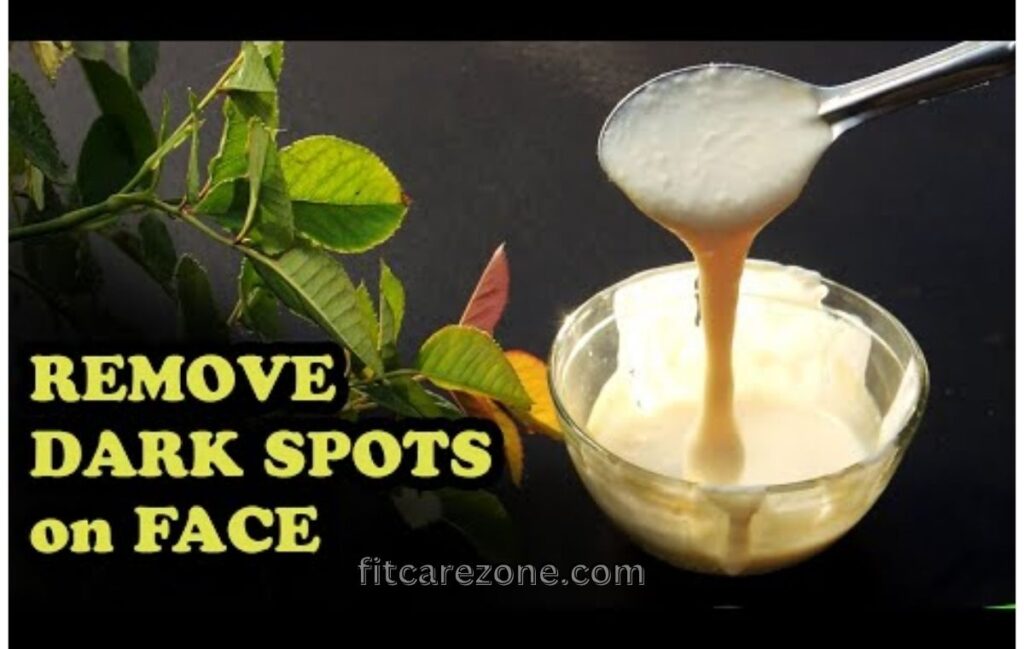
Plain yogurt contains lactic acid -a natural alpha hydroxy acid (AHA) that gently exfoliates dead skin cells, accelerates cell turnover, and reduces the appearance of hyperpigmentation and uneven skin tone over time. Lactic acid is one of the gentlest natural chemical exfoliants available -suitable for most skin types including sensitive skin.
Oatmeal adds gentle physical exfoliation, anti-inflammatory properties, and skin-soothing compounds called avenanthramides that calm redness and irritation during the exfoliation process.
How to use: Mix two tablespoons of plain Greek yogurt with one tablespoon of finely ground oatmeal. Apply to clean skin and leave for 15 to 20 minutes. Rinse with cool water. Use once or twice a week -not daily. Over-exfoliation weakens the skin barrier and worsens pigmentation.
Green Tea -Antioxidant Dark Spot Treatment
Green tea extract contains epigallocatechin gallate (EGCG) -a powerful polyphenol antioxidant that research has shown can suppress hyperpigmentation by reducing UV-induced melanin production and protecting skin cells from oxidative damage. Studies published in dermatology journals confirm green tea’s effectiveness as a topical depigmenting agent.
How to use: Brew a strong cup of green tea and allow it to cool completely. Apply to dark spots using a cotton pad as a daily toner after cleansing -morning and evening. Alternatively freeze cooled green tea into ice cubes and glide gently across dark spots for 60 seconds each morning for additional circulation and antioxidant benefits.
Papaya -Natural Enzyme Brightener
Ripe papaya contains papain -a natural proteolytic enzyme that acts as a gentle chemical exfoliant -breaking down dead skin cells and the surface layer of hyperpigmented skin. Papaya also contains alpha hydroxy acids (AHAs) and Vitamin C that further support skin brightening and even skin tone.
How to use: Mash a small piece of ripe papaya into a smooth paste. Apply to dark spots or as a full face mask. Leave for 10 to 15 minutes then rinse with cool water. Use once or twice a week. Avoid if you have a latex allergy -papain can cause reactions in people sensitive to latex.
Daily Skincare Routine to Fade Dark Spots Naturally
Random application of home remedies without a consistent routine produces inconsistent results. A structured daily routine ensures your skin receives targeted treatment at the right time and in the right order.
Morning Routine for Dark Spot Removal
Step 1 -Gentle cleanse. Use a mild sulphate-free cleanser with lukewarm water. Remove overnight products without stripping the skin barrier.
Step 2 -Vitamin C serum. Apply 3 to 4 drops of Vitamin C serum to clean damp skin. This is your most important morning active for dark spot fading and antioxidant protection against further UV-induced pigmentation.
Step 3 -Niacinamide serum (optional but highly effective). Niacinamide -Vitamin B3 -is one of the most evidence-backed ingredients for hyperpigmentation reduction. It inhibits the transfer of melanosomes (melanin-carrying cells) to the skin surface, visibly reducing dark spot intensity with consistent use. Apply after Vitamin C and allow to absorb.
Step 4 -Lightweight moisturizer. Apply a moisturizer with ceramides and hyaluronic acid to lock in hydration and support the skin barrier.
Step 5 -Broad-spectrum SPF 30 or higher. Non-negotiable. Apply generously as the final morning step. This protects all your treatment work from being undone by UV exposure.
Night Routine for Dark Spot Fading
Step 1 -Double cleanse. Remove SPF, makeup, and pollution thoroughly using an oil-based cleanser followed by your regular gentle face wash.
Step 2 -Apply your natural remedy. Evening is the best time for active natural treatments. Apply your chosen remedy -aloe vera gel, diluted lemon juice on spots, green tea toner, or yogurt mask -to clean skin. Allow to absorb or rinse after the recommended time.
Step 3 -Retinol (2 to 3 nights per week). Retinol -a Vitamin A derivative -is the most research-backed ingredient for accelerating skin cell turnover and fading dark spots. It speeds up the replacement of pigmented cells with new, unpigmented ones. Start at a low concentration -0.25% -and build up gradually. Always use retinol at night only.
Step 4 -Rich moisturizer. Seal in all active ingredients with a nourishing moisturizer containing ceramides, peptides, or squalane. This supports overnight skin barrier repair and maximizes ingredient absorption.
Foods and Nutrients That Help Remove Dark Spots
Dark spots are not only a topical concern -internal nutrition directly affects melanin regulation, skin cell renewal, and antioxidant defense.
Best Vitamins for Dark Spot Reduction
Vitamin C -the most important vitamin for hyperpigmentation reduction -inhibits tyrosinase and reduces melanin production from within. It also supports collagen synthesis that improves overall skin texture. Sources include citrus fruits, strawberries, kiwi, and red bell peppers.
Vitamin E -a fat-soluble antioxidant that protects skin cell membranes from oxidative stress and UV damage -one of the primary drivers of dark spot formation. Sources include sunflower seeds, almonds, and avocado.
Vitamin A -essential for skin cell renewal and turnover. Adequate Vitamin A intake supports the natural shedding of pigmented skin cells. Sources include sweet potatoes, carrots, and leafy greens.
Niacin (Vitamin B3) -the dietary precursor to niacinamide -supports skin barrier function and melanin transfer inhibition from within. Sources include chicken, tuna, peanuts, and mushrooms.
Omega-3 fatty acids -found in salmon, mackerel, walnuts, and flaxseeds -reduce systemic inflammation that drives excess melanin production and supports the skin’s lipid barrier.
Best Foods and Drinks for Even Skin Tone
Berries -blueberries, strawberries, raspberries -are among the richest sources of Vitamin C and polyphenol antioxidants that protect skin from free radical damage and support collagen production.
Green tea consumed daily -not just applied topically -delivers EGCG antioxidants systemically, reducing UV-induced skin damage from within.
Tomatoes are high in lycopene -a powerful antioxidant shown in research to protect skin against both short-term and long-term UV damage that causes dark spots.
Water -minimum 8 glasses daily -supports kidney function and toxin elimination, maintains skin cell hydration, and supports the natural skin cell turnover process that gradually replaces pigmented surface cells.
Natural Ingredients to Use With Caution
Not all natural ingredients are safe for all skin types -and some popular remedies carry real risks if used incorrectly.
Lemon Juice -How to Use It Safely
Lemon juice is highly acidic with a pH of approximately 2 -significantly lower than the skin’s natural pH of 4.5 to 5.5. Applied undiluted it can cause chemical burns, severe irritation, and photosensitivity -particularly on sensitive or darker skin tones. It also dramatically increases your skin’s sensitivity to UV radiation -making dark spots worse if you go outside after application.
Safe use rules: Always dilute with equal parts water. Apply to spots only -not the entire face. Use only in the evening -never before sun exposure. Rinse after 10 minutes maximum. Stop immediately if you experience burning or redness.
Apple Cider Vinegar -Risks and Safe Use
Apple cider vinegar (ACV) contains acetic acid which has mild skin lightening properties. However undiluted ACV has a pH of approximately 3 -acidic enough to damage the skin barrier and cause chemical burns with prolonged or frequent use.
Safe use rules: Always dilute -one part ACV to two parts water minimum. Apply with a cotton pad to dark spots only. Leave for 5 minutes maximum. Rinse thoroughly. Use no more than once or twice a week. Stop if you notice increased redness, peeling, or irritation.
Realistic Timeline -How Long Does It Take
This is the section most competitors get wrong -and most readers desperately need.
Natural remedies for dark spots work slowly and gradually. Here is an honest, realistic timeline:
Week 1 to 2: Your skin adjusts to new ingredients. No visible fading yet -but reduced inflammation and improved hydration are already beginning.
Week 3 to 4: Initial subtle improvements in skin texture and slight lightening of the most superficial dark spots -particularly fresh post-acne marks.
Week 4 to 8: Visible fading of mild sun spots and recent post-inflammatory hyperpigmentation. Consistent SPF use is essential during this entire period.
Month 3 to 6: Significant fading of moderate dark spots with consistent daily routine, SPF, and natural remedies. Older, deeper spots take longer.
Important: Melasma and deep hormonal pigmentation rarely respond fully to natural remedies alone. They typically require professional treatment -chemical peels, laser therapy, or prescription topicals -alongside home care.
When to See a Dermatologist
Natural remedies are appropriate for mild to moderate superficial hyperpigmentation. However you should consult a qualified dermatologist if:
Your dark spots do not improve after 3 months of consistent home treatment and daily SPF. Your spots are growing in size, changing shape, or developing irregular borders -these can be signs of a more serious skin condition requiring medical evaluation. Your spots are raised, itchy, bleeding, or crusting -these are not typical dark spots and need professional assessment. You have melasma -which is hormonally driven and typically requires prescription-strength treatment to produce meaningful results. You experience significant skin irritation, burning, or worsening from any natural remedy.
Never delay seeking professional advice because of something you read online. Natural remedies are a starting point -not a replacement for medical care when medical care is needed.
Frequently Asked Questions -How to Remove Dark Spots on Face Naturally
How can I remove dark spots on my face naturally at home?
The most effective approach combines daily SPF application to prevent further darkening, consistent use of natural brightening ingredients –aloe vera, Vitamin C, turmeric, and green tea -and a structured morning and night skincare routine. Drink adequate water, eat Vitamin C and antioxidant-rich foods, and never skip sunscreen. Results typically appear within 4 to 8 weeks of consistent daily practice.
Which natural ingredient removes dark spots fastest?
Vitamin C -applied as a serum or diluted lemon juice -combined with niacinamide produces the fastest visible results among natural ingredients. Aloe vera applied nightly is the gentlest and most consistent option for daily use. For weekly treatments, turmeric and honey masks produce the most noticeable cumulative brightening effect when used consistently alongside daily SPF.
Does sunscreen help fade dark spots?
Yes –daily broad-spectrum SPF is the most important step in any dark spot treatment plan. It does not directly fade existing spots but prevents UV radiation from triggering further melanin production in pigmented areas -allowing your natural remedies and the skin’s own cell turnover to gradually fade existing spots without new darkening occurring. Without SPF, no natural remedy produces lasting results.
How long do natural remedies take to fade dark spots?
Most people see initial improvements in 4 to 8 weeks of consistent daily treatment. Mild sun spots and fresh post-acne marks respond the fastest. Older, deeper spots and melasma take significantly longer -often 3 to 6 months of consistent treatment -and may require professional dermatological treatment for complete resolution.
Can dark spots go away permanently?
Post-inflammatory hyperpigmentation from acne and mild sun spots can fade permanently with consistent treatment and ongoing sun protection. However dark spots return if the triggering factor -sun exposure without SPF, hormonal imbalance, or acne -continues. Melasma is particularly prone to recurrence and requires long-term management. Maintaining daily SPF use after successful treatment is essential to prevent recurrence.
Final Thoughts -Consistency and Sun Protection Are the Real Secret
The most important truth about removing dark spots naturally is that no single ingredient or remedy works without two non-negotiables -daily SPF and consistency.
Aloe vera, turmeric, Vitamin C, green tea, and yogurt are all genuinely effective. But they work gradually and only when used regularly alongside proper sun protection. Skipping sunscreen while using brightening remedies is like trying to fill a bucket with a hole in the bottom -you will never make real progress.
Start with daily SPF every morning without exception. Add aloe vera every evening. Use a turmeric and honey mask once a week. Eat your berries, drink your water, and get enough sleep. Give it 6 to 8 weeks of honest consistency before evaluating results.
Your skin can and will improve -naturally, at home, with patience and the right approach.
Sources consulted: American Academy of Dermatology (aad.org) | Harvard Health Publishing (health.harvard.edu) | Healthline (healthline.com) | Cleveland Clinic (clevelandclinic.org) | National Institutes of Health -PubMed (pubmed.ncbi.nlm.nih.gov) | PharmEasy Health (pharmeasy.in) | MedicineNet (medicinenet.com)
This content is for informational and educational purposes only and does not constitute medical advice. Always consult a qualified dermatologist for skin concerns specific to your skin type, health condition, and individual needs.