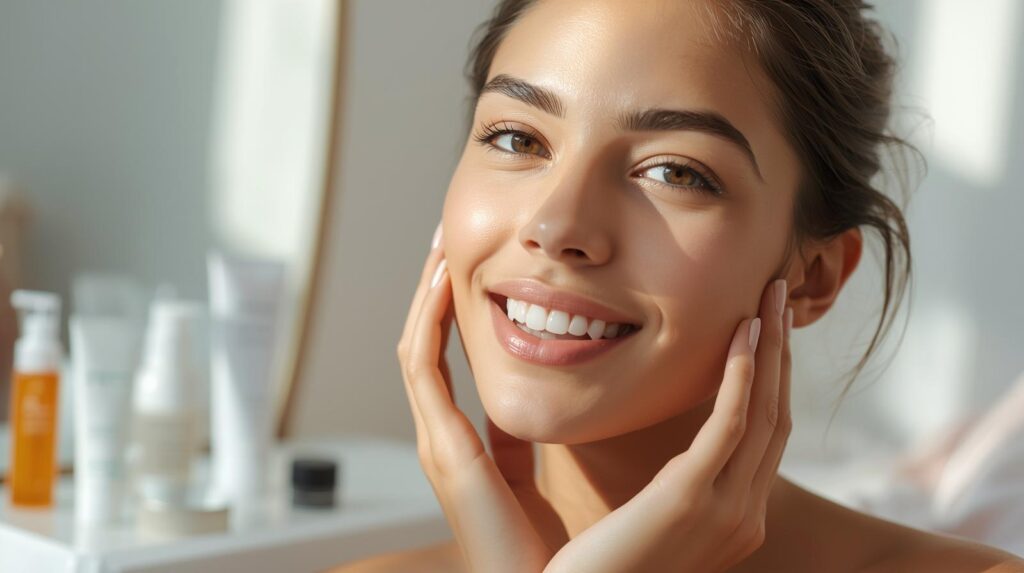
Your teenage years are when your skin goes through the most changes it will ever experience in a short period of time. Breakouts, oiliness, dryness, sensitivity -all of it can feel overwhelming. The good news is that taking care of your skin does not have to be complicated or expensive. At FitCareZone, we have put together this complete, honest guide on beauty tips for teenage girls at home -covering everything from a simple daily skincare routine and natural home remedies to hair care, diet, and the beauty mistakes that make things worse. Everything here is gentle, age-appropriate, and genuinely useful.
Medical Disclaimer: This article is for informational and educational purposes only. It is not a substitute for professional medical or dermatological advice. Always patch test natural ingredients before applying to your full face. Consult a qualified dermatologist if you have persistent acne, a skin condition, or any allergy concerns.
Why Teenage Skin Is Different -What You Need to Know
Understanding what is happening to your skin during your teen years helps you make better decisions about how to care for it.
How Hormones Affect Teen Skin
The biggest driver of teenage skin changes is hormones -specifically androgens. During puberty, androgen levels rise in both girls and boys. This increase stimulates the sebaceous glands -the oil-producing glands in your skin -to produce more sebum than before.
More sebum means shinier, oilier skin and a higher chance of clogged pores, blackheads, whiteheads, and acne breakouts. According to Brown University Health, hormonal fluctuations also cause increased skin sensitivity -meaning teenage skin reacts more easily to harsh products, stress, and dietary changes than adult skin.
Skin cell turnover also slows during the teenage years compared to childhood. This means dead skin cells accumulate more on the surface -causing dullness and uneven texture if not managed with gentle cleansing and occasional exfoliation.
Most Common Skin Problems for Teenage Girls
The most common skin concerns teenage girls experience include hormonal acne -particularly along the jawline, chin, and forehead. Enlarged pores and blackheads are common because of increased oil production. Oily T-zone with dry cheeks -a typical combination skin pattern -affects many teenage girls simultaneously. Skin sensitivity and redness from using too many products or the wrong products is also widespread. Post-acne dark marks -known as post-inflammatory hyperpigmentation -are common after breakouts heal.
Every one of these concerns is manageable with the right simple routine and gentle natural ingredients.
Basic Daily Skincare Routine for Teenage Girls
The most important rule for teenage skincare is this -keep it simple. According to Brown University Health, most teenagers do not need a 10-step routine or expensive products. A simple, consistent 4-step routine done twice daily produces better results than an elaborate routine done inconsistently.
Morning Skincare Routine for Teens
Step 1 -Gentle cleanse. Wash your face with a mild, sulphate-free cleanser suited to your skin type. Use lukewarm water -never hot. Massage gently for 30 to 60 seconds in circular motions then rinse. For oily and acne-prone skin use a gentle gel or foaming cleanser. For dry or sensitive skin use a cream or milk cleanser. Avoid bar soaps on your face -they are too harsh and disrupt your skin’s natural pH balance.
Step 2 -Tone naturally. Apply pure rose water with a cotton pad or spritz directly onto your face. Rose water is one of the best natural toners for teenage skin -it balances skin pH, reduces redness, and feels instantly refreshing without any irritation risk.
Step 3 -Moisturize. Apply a lightweight, non-comedogenic moisturizer to damp skin. Even oily skin needs moisturizer -skipping it causes your skin to produce even more oil to compensate, which leads to more breakouts. For oily skin use a gel-based formula. For dry skin use a light cream.
Step 4 -SPF. This is the most important morning step -at any age. UV radiation causes sun damage, dark spots, and premature aging that begins accumulating in your teenage years. Apply broad-spectrum SPF 30 or higher every morning before leaving the house. Make it a non-negotiable habit starting now.
Night Skincare Routine for Teens
Step 1 -Remove makeup and cleanse. If you wear makeup, remove it first with micellar water or a gentle cleansing oil. Never sleep with makeup on -it clogs pores and causes breakouts overnight. Follow with your regular gentle face wash to ensure skin is completely clean.
Step 2 -Apply a natural treatment. Evening is the best time to apply natural treatments. Apply a thin layer of pure aloe vera gel to clean skin as a lightweight overnight treatment. It soothes any daytime inflammation, supports skin cell repair, and hydrates without clogging pores. Alternatively apply rose water toner followed by your moisturizer.
Step 3 -Moisturize. Apply your regular moisturizer to seal in the treatment layer and support overnight skin barrier repair. For very dry skin, add a drop of natural facial oil -rosehip or jojoba -mixed into your moisturizer for extra overnight nourishment.
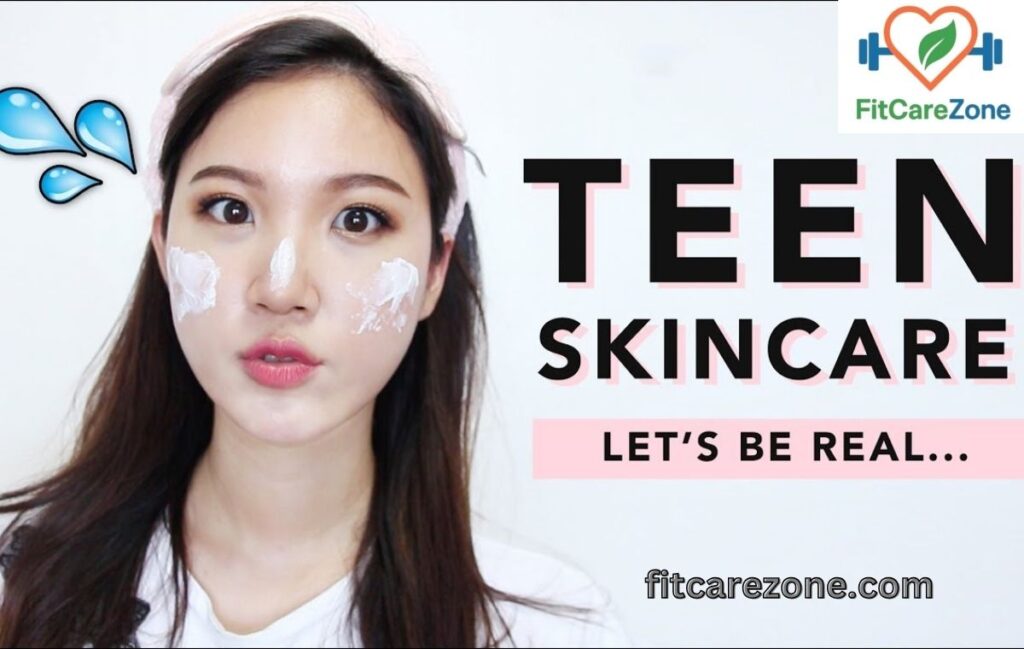
Best Natural Beauty Tips for Face at Home for Teens
These natural home remedies use simple kitchen ingredients that are safe, affordable, and effective for teenage skin concerns. Always patch test on the inside of your wrist for 24 hours before applying to your face.
Honey and Oatmeal for Acne and Hydration
Raw honey is one of the best natural ingredients for teenage skin. It is a natural humectant that draws moisture into the skin, has natural antibacterial properties that fight acne-causing bacteria, and soothes inflammation without any harsh chemicals.
Colloidal oatmeal gently removes dead skin cells and soothes irritated, inflamed skin through natural compounds called avenanthramides.
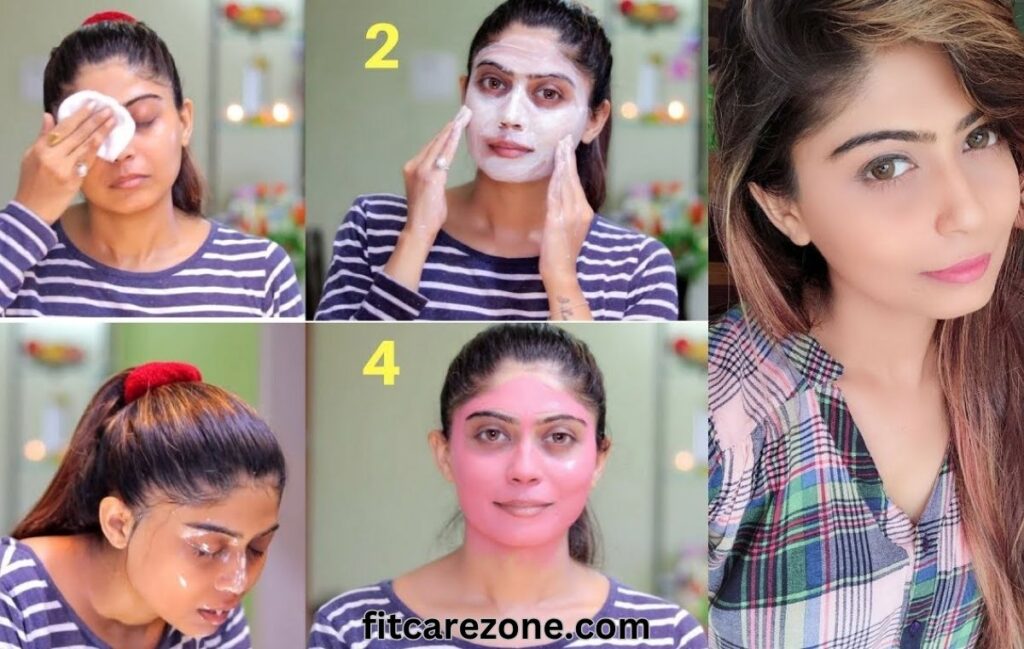
How to use: Mix one tablespoon of raw honey with two tablespoons of finely ground plain oatmeal. Add enough warm water to form a paste. Apply to clean face, leave for 10 to 15 minutes, then rinse with lukewarm water. Use once or twice a week. This mask is safe for all teenage skin types including sensitive and acne-prone skin.
Aloe Vera for Calming and Healing Teen Skin
Aloe vera gel is arguably the most useful natural ingredient for teenage skin. It contains vitamins A, C, and E, natural enzymes, and compounds that support skin cell healing and repair. It calms redness and inflammation from breakouts, hydrates without clogging pores, and helps fade post-acne marks over time.
Apply fresh aloe vera gel directly from a plant -or use a pure, additive-free gel -to clean skin as a daily lightweight moisturizer or leave-on overnight treatment. It works for every skin type -oily, dry, combination, and sensitive. For active breakouts, dab a small amount directly onto spots as a natural spot treatment before bed.
Rose Water as Natural Toner for Teenage Skin
Pure rose water is one of the oldest and most trusted natural beauty ingredients in the world -and it is perfect for teenage skin. It has natural astringent and anti-inflammatory properties that calm redness, minimize the appearance of pores, and balance skin pH after cleansing. It is completely alcohol-free and gentle enough for daily use on even the most sensitive teenage skin.
Use it every morning and evening after cleansing -apply with a cotton pad or spritz directly onto your face. You can also mix rose water with aloe vera gel for a natural hydrating toner that both soothes and moisturizes simultaneously.
Turmeric and Yogurt for Brightening and Glow
Turmeric contains curcumin -a natural compound with powerful anti-inflammatory and antioxidant properties that reduce skin redness, fade post-acne dark marks, and give skin a natural brightness with consistent use.
Plain yogurt contains lactic acid -a gentle natural AHA (alpha hydroxy acid) that exfoliates dead skin cells and improves skin tone without the irritation risk of stronger chemical exfoliants.
How to use: Mix half a teaspoon of turmeric powder with two tablespoons of plain Greek yogurt. Apply to clean skin, leave for 10 minutes, then rinse with cool water. Use once a week. Use a small amount of turmeric -too much can temporarily stain lighter skin tones.
Beauty Tips by Skin Type for Teenage Girls
Natural skincare works best when matched to your specific skin type. Here is how to customize your approach.
Tips for Oily and Acne-Prone Teen Skin
Oily teenage skin needs oil control without over-drying. Use a gel-based sulphate-free cleanser twice daily. Apply green tea as a morning toner -brewed, cooled, and applied with a cotton pad. Green tea contains polyphenol antioxidants called catechins that reduce sebum production and inflammation naturally.
Use a non-comedogenic, oil-free gel moisturizer -never skip it. Apply aloe vera gel as a spot treatment on active breakouts. Use the besan and rose water mask once a week for oil control. Never pick or squeeze pimples -it spreads bacteria, causes deeper inflammation, and leads to post-inflammatory hyperpigmentation that takes months to fade.
For mild to moderate acne, a salicylic acid cleanser at 2% used once daily is safe and effective for teenage skin. If acne is severe, persistent, or cystic -see a dermatologist. Home remedies are not enough for serious acne.
Tips for Dry and Sensitive Teen Skin
Dry and sensitive teenage skin needs extra hydration and barrier support at every step. Use a gentle cream cleanser and avoid any foaming or gel formulas. Apply aloe vera gel followed by a ceramide-rich moisturizer while skin is still slightly damp -this locks in hydration at a deeper level.
Avoid lemon juice, strong exfoliants, and any products containing alcohol, synthetic fragrance, or sulphates -all of these strip moisture and worsen sensitivity. Use the honey and oatmeal mask once a week as your only exfoliation. For toning, use pure rose water exclusively -it is the gentlest natural toner available.
Simple Makeup Tips for Teenage Girls
Less is more when it comes to makeup for teens -and not just for beauty reasons. Heavy makeup clogs pores, worsens acne, and can cause long-term skin damage when used heavily during the teenage years.
Less Is More -Natural Everyday Makeup
The best everyday makeup look for teenagers is one that enhances your natural features without heavy coverage. Start with a good skincare base –moisturizer and SPF -before any makeup. Use a lightweight tinted moisturizer or BB cream instead of full-coverage foundation. These provide light, natural coverage while still allowing skin to breathe.
For blemishes, use a small concealer brush to apply concealer only where needed -not all over the face. A clear or tinted lip balm adds color while keeping lips moisturized. Brown or taupe mascara on upper lashes looks more natural and age-appropriate than heavy black. A light sweep of cream blush on the cheeks adds a healthy, natural flush.
Always remove makeup completely before sleeping -no exceptions. Sleeping with makeup on is one of the single biggest causes of clogged pores, blackheads, and teen acne.
Ingredients to Avoid in Teen Makeup Products
Teenage skin is more sensitive and reactive than adult skin. Avoid makeup products containing synthetic fragrances -one of the most common causes of skin irritation and allergic reactions. Avoid comedogenic ingredients like bismuth oxychloride, coconut oil in foundations, and isopropyl myristate -these clog pores and worsen acne. Avoid alcohol as a primary ingredient in any product applied to the skin -it strips the skin barrier and increases oil production. Avoid bleaching creams or skin-lightening products -teenage skin does not need lightening treatments and these can cause permanent damage.
Hair Care Beauty Tips for Teenage Girls at Home
Hair changes significantly during the teenage years -and most beauty guides ignore this completely.
Basic Hair Care Routine for Healthy Teen Hair
Wash your hair regularly -but not every day. Daily washing strips the scalp’s natural oils and can actually increase oiliness as the scalp overproduces sebum to compensate. Wash 2 to 3 times per week using a mild, sulphate-free shampoo suited to your hair type. Always follow with conditioner on the mid-lengths and ends -never on the scalp.
Reduce heat styling as much as possible. Regular use of straighteners, curling irons, and blow dryers at high heat causes protein damage, breakage, and split ends in teenage hair. When you do use heat tools, always apply a heat protectant spray first. Let hair air dry when possible.
Scalp health directly affects hair health. Massage your scalp gently for 3 to 5 minutes while shampooing to stimulate blood circulation to hair follicles and support healthy hair growth.
Natural Hair Masks for Teenage Girls
Egg and olive oil mask -beat one egg and mix with two tablespoons of extra virgin olive oil. Apply to damp hair from roots to ends, cover with a shower cap, leave for 20 to 30 minutes, then rinse with cool water and shampoo. Eggs provide protein for hair strength while olive oil provides deep moisture and shine. Use once a week for noticeably stronger, softer hair.
Banana and honey mask -mash one ripe banana completely and mix with one tablespoon of raw honey. Apply to damp hair, leave for 20 minutes, then rinse thoroughly. Banana is rich in potassium that improves hair elasticity and reduces breakage. Honey seals in moisture and adds natural shine.
Foods and Lifestyle Habits for Beautiful Teen Skin
What you eat and how you live shows directly on your face and hair. No skincare routine compensates for consistently poor nutrition and lifestyle habits.
Best Foods and Drinks for Clear Teen Skin
Fruits and vegetables should be the foundation of a skin-healthy teenage diet. Berries provide Vitamin C and antioxidants that support collagen production and protect skin from oxidative damage. Sweet potatoes and carrots are rich in beta-carotene -a precursor to Vitamin A that supports healthy skin cell renewal. Leafy greens -spinach, kale -provide iron, zinc, and Vitamin K that support skin health at a cellular level.
Fatty fish -salmon, mackerel provide omega-3 fatty acids that reduce skin inflammation and strengthen the skin’s lipid barrier. Even two servings per week produces visible benefits for teen skin.
Reduce refined sugar, processed food, and excessive dairy. High glycemic index foods spike blood sugar and increase insulin levels -which stimulates sebum production and inflammation that directly worsens acne. Multiple studies confirm the link between high-sugar diets and acne severity in teenagers.
Water is the most important daily beauty habit for teenage girls. Drink a minimum of 8 glasses -2 litres -daily. Consistent hydration keeps skin cells plump, supports the kidney’s natural detoxification, and maintains the natural moisture balance of teenage skin.
Sleep, Exercise, and Stress -How They Affect Teen Beauty
Sleep is your skin’s most powerful natural repair tool. During deep sleep your body produces human growth hormone that drives skin cell regeneration. Cortisol -the stress hormone that increases sebum and causes breakouts -drops to its lowest levels. According to dermatology research, teenagers who consistently sleep 8 to 9 hours per night have clearer, more hydrated, and more radiant skin than those who regularly sleep less. Prioritize sleep above late-night phone scrolling -your skin genuinely depends on it.
Regular exercise increases blood circulation to the skin, delivering oxygen and nutrients to every skin cell. It also reduces cortisol levels which directly benefits acne-prone teenage skin. Even 30 minutes of walking, cycling, or dancing three to four times per week produces visible improvements in skin clarity and natural glow.
Chronic stress is a major acne trigger for teenagers. Stress raises cortisol which directly increases sebum production and causes hormonal acne flares -particularly around the jawline and chin. Manage stress actively through yoga, meditation, deep breathing, regular sleep, and physical exercise. These habits have a direct, measurable impact on teenage skin health.
Beauty Mistakes Teenage Girls Should Avoid
These are the habits and approaches that actively damage teenage skin -and most teenagers do not realize they are making them.
Skincare Mistakes That Worsen Teen Skin
Over-washing the face more than twice daily strips the natural lipid barrier and triggers the sebaceous glands to produce even more oil -making oily skin worse, not better. Twice daily maximum -morning and night.
Using too many products at once. Layering multiple active ingredients on teenage skin causes irritation, sensitivity, and breakouts. Stick to the basics -cleanser, toner, moisturizer, SPF -and add one new product at a time, slowly.
Picking and squeezing pimples. This is one of the most damaging habits for teenage skin. Picking spreads acne-causing bacteria to surrounding areas, creates deeper inflammation, and leads to post-inflammatory dark marks and scarring that can last months.
Skipping moisturizer because skin feels oily. As mentioned above -oily skin still needs moisture. Skipping moisturizer causes overproduction of sebum and worsens the problem you are trying to solve.
Following social media skincare trends without research. Many viral skincare trends are designed for adult skin -or are simply ineffective or harmful for teenagers. Avoid applying retinol, strong AHAs, or vitamin C at high concentrations to teenage skin -these are adult-strength active ingredients that can damage younger, more sensitive skin.
Harsh Ingredients Teenagers Should Never Use
Undiluted lemon juice directly on skin -highly acidic, causes irritation and photosensitivity, worsens hyperpigmentation rather than improving it when used incorrectly. If using lemon juice always dilute with water and never use before sun exposure.
Toothpaste on pimples -a popular myth. Toothpaste contains fluoride, hydrogen peroxide, and baking soda that cause skin irritation, chemical burns, and contact dermatitis on sensitive teenage skin. It does not treat acne.
Alcohol-based toners -strip the skin barrier and cause chronic dryness and irritation. Always choose alcohol-free toners -ideally rose water or green tea.
Bleaching creams and skin-lightening treatments -teenage skin does not need these and they can cause permanent skin damage, chemical burns, and long-term sensitivity issues.
Frequently Asked Questions -Beauty Tips for Teenage Girls at Home
What are the best beauty tips for teenage girls at home?
The most effective beauty tips for teenage girls at home are: cleanse twice daily with a gentle sulphate-free cleanser, use rose water as a natural toner, apply aloe vera gel as a daily lightweight moisturizer, use honey and oatmeal or turmeric and yogurt masks once a week, drink 2 litres of water daily, sleep 8 to 9 hours every night, eat fruits, vegetables, and omega-3 rich foods, and apply SPF every morning. Consistency with these simple habits produces better long-term results than expensive products or complicated routines.
How can a teenager get clear skin naturally?
Clear skin for teenagers comes from four consistent habits -gentle twice-daily cleansing, daily SPF, adequate sleep, and reducing refined sugar and processed food. Apply aloe vera gel nightly as a natural treatment. Use a honey mask once a week. Never pick pimples. Drink 2 litres of water daily. These habits address the three root causes of teenage acne -excess sebum, clogged pores, and inflammation -without any harsh chemicals or expensive products.
What foods cause acne in teenagers?
The foods most strongly linked to teenage acne are refined sugar -found in sweets, fizzy drinks, pastries, and white bread -which spikes insulin levels and increases sebum production. High-glycemic processed foods like fast food and chips trigger the same response. Excessive dairy -particularly cow’s milk -has been associated with increased acne in multiple studies, possibly due to the hormones naturally present in milk. Reducing these three food categories consistently produces visible improvements in teenage skin clarity within 4 to 6 weeks.
Is it okay for teenagers to wear makeup daily?
Light, natural makeup worn daily is generally fine for teenagers provided it is non-comedogenic, fragrance-free, and removed completely every night before sleeping. Heavy full-coverage makeup worn daily clogs pores and worsens teenage acne over time. The healthiest approach is to build a good skincare routine first -clean, hydrated, protected skin -and use makeup to enhance rather than cover. On rest days give your skin a complete break from all makeup.
At what age should a teenager start a skincare routine?
According to dermatologists at Brown University Health, a basic skincare routine can begin around age 12 to 13 when puberty starts and hormonal skin changes begin. Start simple -a gentle cleanser, lightweight moisturizer, and SPF in the morning. This three-step routine is all most young teenagers need. Add a natural toner and spot treatment only if specific concerns develop. Avoid adult-strength active ingredients like retinol, high-concentration vitamin C, and strong AHAs until the skin is more mature -typically late teens or early 20s.
Final Thoughts -Natural Beauty Starts with Healthy Habits
The most important thing to understand about beauty tips for teenage girls is that your skin at this age is sensitive, changing, and does not need complicated or aggressive treatment -it needs consistency, gentleness, and good daily habits.
Clean your face twice daily. Use rose water. Apply aloe vera. Wear SPF. Drink water. Sleep your 8 hours. Eat your fruits and vegetables. Use a natural mask once a week. These are not glamorous secrets -but they are the habits that produce genuinely clear, healthy, glowing teenage skin more reliably than any expensive product or viral trend.
Natural beauty at any age starts from the inside out -and your teenage years are the best time to build habits that will serve your skin for the rest of your life.
Sources consulted: American Academy of Dermatology (aad.org) | Brown University Health (brownhealth.org) | Healthline (healthline.com) | Harvard Health Publishing (health.harvard.edu) | National Institutes of Health -PubMed (pubmed.ncbi.nlm.nih.gov) | Nemours KidsHealth (kidshealth.org)
This content is for informational and educational purposes only and does not constitute medical advice. Always consult a qualified dermatologist for skin concerns specific to your skin type, age, and individual health needs.