

How to Build Healthy Daily Habits That Stick (Science-Backed Guide)
Most people try to change their lives all at once – and fail within two weeks. The truth is, building healthy daily habits that stick has nothing to do with motivation or discipline. It is about understanding how your brain forms automatic behaviors, designing the right system, and starting smaller than you think you should. This guide gives you the exact, science-backed framework to build lasting healthy habits – one step at a time.
Why Most People Fail at Building Healthy Habits
The number one reason people fail at forming new habits is starting too big, too fast. They set ambitious goals – wake up at 5 AM, go to the gym daily, eat perfectly clean – and burn out by week two. This is not a willpower problem. It is a strategy problem.
Most people also rely on motivation to sustain behavior change. But motivation is emotional and unpredictable. It spikes on Day 1 and disappears by Day 10. What actually keeps habits alive is a well-designed routine and environment – not how you feel on any given morning.
Another common mistake is trying to build multiple habits at the same time. Research in behavioral psychology shows that habit formation requires focused cognitive resources. Splitting attention across five new behaviors guarantees that none of them will stick long-term.
The Science of Habit Formation (How Your Brain Actually Works)
Every habit you perform lives in a part of your brain called the basal ganglia. When a behavior is repeated enough times in the same context, your brain starts to automate it. This process is called neuroplasticity – your brain literally rewires itself to make the behavior easier and faster each time.
This is why a consistent daily routine feels effortless after a few months. Your brain has stopped treating it as a decision and started treating it as an automatic response. The goal of habit building is to reach that point of behavioral automation.
The Habit Loop: Cue → Routine → Reward
Every habit in your life follows a three-part loop. First comes the cue – a trigger that tells your brain to initiate a behavior. Then comes the routine – the actual behavior itself. Finally comes the reward – the positive feeling that reinforces the loop.
To build a new healthy habit, you need to identify a reliable cue, keep the routine simple, and make the reward immediate and satisfying. When you understand this loop, you stop fighting your brain and start working with it. This is the foundation of every evidence-based habit change program in existence.
Why Motivation Fails and Automation Wins
Motivation is a feeling. Automation is a system. Feelings come and go – systems keep running. When you build a habit through consistent repetition and environmental design, you remove the need to feel motivated every single day.
This is the shift that separates people who maintain healthy lifestyle habits long-term from those who restart every January. They stopped waiting to feel ready and started designing their life to make the healthy choice the default choice.
The Right Way to Start Before Building Any Habit
Before you write a single habit on paper, you need to do two things. First, decide what kind of person you want to become. Second, audit the routine you already live. Skipping this preparation phase is why most self-improvement attempts fail before they begin.
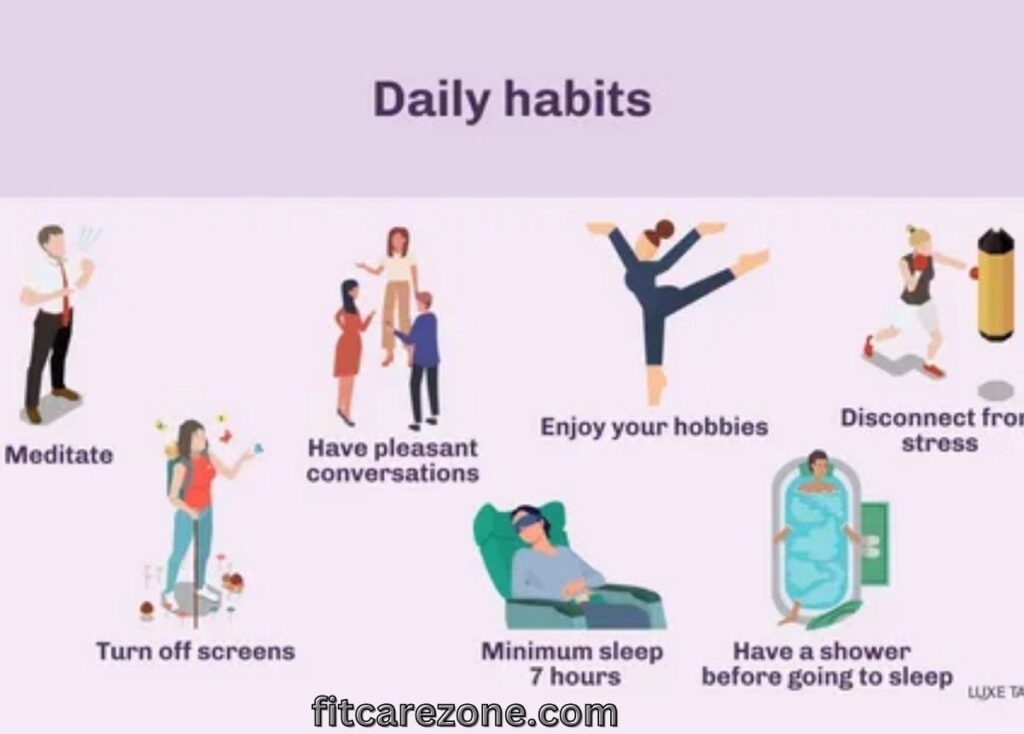
Shift Your Identity, Not Just Your Behavior
The most powerful force in habit formation is identity-based habit change. Instead of saying “I want to exercise,” say “I am someone who moves their body every day.” Instead of “I want to eat healthy,” say “I am someone who fuels their body with real food.”
This shift works because every action you take becomes a vote for the identity you want to build. Over time, your self-image and behavior align. You stop relying on discipline and start acting from personal values and identity. This is the deepest level of sustainable behavior change.
Why You Should Only Start With One Habit
Pick one habit. Just one. This feels too simple – and that is exactly why it works. Your brain has a limited amount of willpower and cognitive bandwidth for change. When you focus all of it on a single new behavior, you dramatically increase the odds that it becomes automatic.
Once that habit is locked in – meaning you do it without thinking – then add the next one. This is called sequential habit building, and it is the method used by professional coaches, behavioral scientists, and anyone who has ever made a permanent healthy lifestyle transformation.
12 How to Build Healthy Daily Habits That Stick- 12 Proven Strategies
1. Habit Stacking
Habit stacking means attaching a new habit directly to an existing one. The formula is simple: “After I [current habit], I will [new habit].” For example: “After I pour my morning coffee, I will drink one glass of water.” You are using an established neural pathway to anchor a new behavior – making it far easier for your brain to adopt.
2. The 2-Minute Rule
When a habit feels too hard to start, shrink it down to just two minutes. Want to start running? Just put on your shoes and step outside. Want to journal? Write one sentence. The 2-minute rule eliminates the resistance of starting. And once you start, you almost always keep going. The hardest part of any daily healthy habit is showing up – so make showing up ridiculously easy.
3. Design Your Environment
Your environment shapes your behavior more than your mindset does. If you want to eat healthier, put fruit on the counter and move junk food out of sight. If you want to exercise in the morning, lay your workout clothes out the night before. Environmental design reduces the friction between you and the good habit – and increases the friction between you and the bad one. This is choice architecture in action.
4. Implementation Intentions
Studies show that using a specific “when-then” plan can increase follow-through on new habits by up to 300%. The format is: “When [situation], I will [behavior].” For example: “When I sit down at my desk at 9 AM, I will drink a glass of water before opening email.” This eliminates decision fatigue and replaces vague intentions with a concrete behavioral trigger.
5. Temptation Bundling
Temptation bundling means pairing a habit you need to do with an activity you genuinely enjoy. Only listen to your favorite podcast while walking. Only watch your favorite show while folding laundry or doing light stretching. By linking pleasure to a healthy daily routine, you train your brain to look forward to it instead of avoid it.
6. Visual Habit Tracking
There is something deeply motivating about a visible chain of completed days. Use a habit tracker – a paper calendar, a journal, or an app – and mark off each day you complete your habit. The visual streak creates a psychological commitment to keep going. You do not want to break the chain. This simple tool has one of the highest habit adherence rates of any technique in behavioral research.
7. Accountability Partner
When someone else knows about your habit, your follow-through rate increases significantly. Share your goal with a friend, join an online community, or use a coaching app. Social commitment activates a different part of your brain – the part that cares about social accountability and reputation. Use it to your advantage.
8. Anchor to Your Deep Why
Surface-level goals – “I want to lose weight” or “I want more energy” – fade fast. But habits rooted in deep personal values stay strong. Ask yourself why the habit matters until you reach a value, not just a goal. “I want more energy” becomes “I want to be fully present for my kids every evening.” That emotional anchor keeps you going when the novelty wears off.
9. Celebrate Small Wins Immediately
Every time you complete your habit, give yourself an immediate micro-reward. Say “yes” out loud, do a fist pump, or simply pause and feel good about it for three seconds. This is not silly – it is neuroscience. Immediate positive reinforcement triggers dopamine release that strengthens the neural connection between the cue and the behavior. Your brain learns to want to repeat it.
10. Reduce Friction to Zero
Every extra step between you and your habit is a chance to skip it. Reduce those steps to zero. Sleep in your gym clothes if you have to. Prep your healthy meal ingredients on Sunday. Keep your journal on your pillow. The easier the habit is to start, the more likely you are to do it on low-energy or high-stress days – which is exactly when consistency matters most.
11. The Never Miss Twice Rule
Missing a habit one day is normal. Missing it two days in a row is the beginning of quitting. The never miss twice rule gives you permission to be human while drawing a firm line. One missed day is a stumble. Two is a pattern. The moment you miss once, your only job is to make sure you show up tomorrow – no guilt, no punishment, just immediate recommitment.
12. Build Flexibility Into Your Routine
Rigid routines break under real life. Travel, illness, stress, and unexpected events will interrupt your habits. The solution is to pre-plan for disruption. Decide in advance: “If I miss my morning walk, I will do 10 minutes of stretching at night instead.” Having a contingency habit plan means life interruptions do not erase your progress – they just shift it slightly.
Healthy Daily Habits by Category
Knowing the strategies is one thing. Knowing which specific habits to build is another. Here is a curated, research-backed list broken down by the four most important pillars of health.
Morning Habits
Start your morning with a glass of water before coffee. Your body is dehydrated after 7–8 hours of sleep, and rehydrating first improves focus, metabolism, and energy levels immediately. This is one of the simplest and most impactful morning wellness habits you can build.
Add a 5-minute morning movement routine – light stretching, deep breathing, or a short walk outside. Avoid reaching for your phone in the first 20 minutes of waking. Protecting your morning mental space sets your cognitive tone for the entire day. Even two minutes of morning gratitude journaling has been shown to improve mood, focus, and stress resilience.
Nutrition Habits
The most powerful healthy eating habit is not a diet — it is Sunday meal prep. Preparing ingredients or full meals once a week gives you 21 automatically healthier meals with zero daily decision fatigue. Combine this with the swap-don’t-eliminate approach: replace white rice with brown rice, soda with sparkling water, chips with nuts. Restriction creates rebellion. Substitution creates lasting dietary behavior change.
Eat slowly and without screens. Mindful eating – paying attention to taste, texture, and hunger cues — naturally reduces overeating and improves gut health and digestion. Set a hydration habit using a specific trigger: drink one glass of water before every meal. This supports metabolism, appetite control, and energy levels throughout the day.
Exercise Habits for Beginners
Do not join a gym on Day 1. Start with a 10-minute daily walk. It sounds too easy – and that is the point. Walking is the most sustainable, accessible, and research-supported physical activity habit for beginners. Once you build the consistency of showing up every day, you can gradually increase intensity.
Try workout snacks – short bursts of movement scattered through your day. Three sets of squats while the coffee brews. Ten pushups before lunch. A short walk after dinner. These micro-sessions reduce sedentary behavior and accumulate into significant cardiovascular and metabolic benefits over time. Consistency at a low intensity always beats intensity without consistency.
Sleep Habits
Sleep is the most underrated health habit. A consistent sleep and wake time – even on weekends – regulates your circadian rhythm and dramatically improves energy, mood, and cognitive function. This single habit improves almost every other health metric in your life, from hormonal balance and immune function to appetite regulation and mental clarity.
Move your phone out of your bedroom. The blue light from screens suppresses melatonin production and delays sleep onset. Instead, build a 20-minute wind-down routine before bed: dim the lights, read a physical book, do light stretching. Signal to your brain that it is time to shift from active to rest mode.
Mental Health and Stress Habits
Build a daily breathwork habit – just 2 minutes of box breathing (inhale 4 seconds, hold 4, exhale 4, hold 4) activates your parasympathetic nervous system and physically reduces cortisol and stress response. It costs nothing, takes two minutes, and works immediately.
Schedule digital detox windows throughout your day – periods of no phone, no social media, no notifications. Even 30-minute blocks of undistracted time reduce cognitive overload and anxiety. Finally, protect time for social connection. Regular meaningful conversations with people you care about are one of the strongest predictors of long-term mental and physical health in human longevity research.
7-Day Beginner Habit Building Plan
Theory means nothing without action. Here is a simple, copy-paste 7-day beginner habit plan you can start today. Each habit is tiny by design. The goal of this week is not transformation – it is building the identity of someone who shows up daily.
Day 1 — Hydration: Drink one full glass of water immediately on waking. Anchor it to your morning coffee routine – water first, then coffee. Takes 30 seconds.
Day 2 — Movement: Add a 5-minute walk after breakfast. Do not skip breakfast to do it. The goal is the walk habit, not the workout.
Day 3 — Sleep: Set a consistent bedtime alarm – 30 minutes earlier than usual. Put your phone on charge in a different room.
Day 4 — Stretch: Add 2 minutes of full-body stretching immediately after your walk. Stack it directly on Day 2’s habit.
Day 5 — Nutrition: Prep one healthy meal or snack for the next day. This builds the meal preparation habit without overwhelming yourself.
Day 6 — Mental Health: Write two sentences in a journal after your morning coffee. What you are grateful for. What you want to focus on today.
Day 7 — Review: Spend 5 minutes reviewing how the week went. What worked? What was hard? Adjust one thing and set your intention for Week 2. This weekly habit review is itself a powerful habit.
What to Do When Your Habits Break Down
Every person who has ever built a lasting healthy habit has also broken it – multiple times. Habit relapse is not failure. It is a normal and predictable part of long-term behavior change. Research shows the average person misses their habit roughly one in every three days during the first two months of habit formation. Knowing this in advance removes the shame spiral that kills most people’s progress.
Apply the never miss twice rule without exception. One missed day is a stumble. Two is the start of quitting. The morning after you miss, do the habit – even in its smallest possible version. Ran 5K daily and missed yesterday? Run to the end of your street and back. Shrink the habit, but never skip it twice.
Identify your personal high-risk situations – the specific life contexts where your habits always collapse. Travel, illness, high-stress work weeks, family events. Pre-plan for them now. Decide today what a minimum viable version of each habit looks like in each scenario. A plan in place before disruption hits is the difference between a temporary pause and a permanent quit.
Common Habit Myths Debunked
Myth: It takes 21 days to build a habit. This is one of the most repeated and most wrong pieces of habit formation advice in popular culture. The actual research, published in the European Journal of Social Psychology, found it takes anywhere from 59 to 254 days to form an automatic habit – with an average of 66 days. Expecting transformation in three weeks sets you up to feel like you failed when you have not even started yet.
Myth: You need willpower to build good habits. Willpower is a finite resource that depletes throughout the day. Sustainable habits are not built on willpower – they are built on environmental design, smart triggers, and systems. People who seem to have great self-control are usually people who have designed their life so they face fewer temptations in the first place.
Myth: Missing once ruins your habit. One missed day has no measurable impact on long-term habit formation according to research. What matters is your response to missing – not the miss itself. Guilt and shame after a slip-up are far more damaging to habit continuity than the missed day ever was. Acknowledge it. Move on. Show up tomorrow.
Myth: You need to start on Monday or January 1st. This is called the “fresh start effect” and it is a procrastination trap. There is no perfect start date. The only date that matters for building a healthy routine is today. Every day you wait is a day your brain could have been building new neural pathways.
Frequently Asked Questions
How long does it actually take to build a healthy habit?
Research shows it takes an average of 66 days to form a habit, with a range of 59 to 254 days depending on the complexity of the behavior and the individual. Simple habits like drinking water form faster. Complex behaviors like daily exercise take longer. The key is consistent repetition in the same context - not a fixed number of days.
What is the easiest healthy habit to start with?
Drinking a glass of water immediately on waking is widely considered the simplest and most impactful beginner health habit. It takes 30 seconds, requires zero equipment, and immediately supports hydration, metabolism, and morning energy levels. It also trains the brain's habit loop in a very low-friction context - making it the perfect first daily wellness habit.
Why do healthy habits feel so hard at first?
In the early days of building a habit, your brain is working hard to build new neural connections. It takes real energy and effort. This is completely normal. The difficulty does not mean the habit is wrong or that you are failing - it means your brain is literally rewiring itself. This discomfort is temporary and typically peaks around days 3 through 10 of a new routine.
Can you build multiple habits at once?
You can maintain multiple habits, but experts recommend building them sequentially - one at a time. Once a habit becomes automatic (requires no conscious thought), add the next one. Trying to build more than one new habit simultaneously overloads your brain's executive function and self-regulation capacity, reducing the success rate of all of them.
What should I do if I keep failing at the same habit?
If a habit keeps breaking down, the problem is almost always the system, not the person. Ask three questions: Is this habit too big? Is the trigger unclear? Is the environment working against me? Reduce the habit to its smallest possible version, clarify the exact cue and reward, and redesign your environment to remove friction. Failure is feedback. It is telling you exactly where the system needs to change.
How do I stay consistent with healthy habits long-term?
Long-term habit consistency comes from three things: an identity that supports the behavior, an environment designed to make it easy, and a system for recovering quickly after a slip. Stop measuring success by perfection - measure it by percentage of days completed over time. Showing up 80% of the time for 12 months builds a fundamentally different life than showing up 100% for 3 weeks and quitting.
Conclusion
Building healthy daily habits that stick is not about being perfect, disciplined, or motivated every day. It is about building the right system – one that works even when life gets hard, even when motivation disappears, and even after the inevitable slip-up.
Start with one habit. Make it small. Design your environment to support it. Understand your brain’s habit loop. Stack it onto something you already do. Track it visually. And when you miss – never miss twice. Every single one of these strategies is backed by behavioral science and habit research. But none of them work unless you start.
The best time to build a healthier life was last year. The second best time is today. Pick your first habit right now – and begin.