
In today’s fast-paced fitness world, technology is reshaping how we understand our health and daily habits. From tracking heart rates to analyzing sleep cycles and stress levels, wearable fitness devices have made data the cornerstone of modern wellness. As we move deeper into 2025, fitness is shifting from guesswork to precision—guided fully by smart data, artificial intelligence, and real-time digital insights. This evolution is not just changing how we exercise but transforming how we live.
Why Wearable Fitness Devices Are So Popular
Modern fitness enthusiasts no longer rely solely on mirrors or scales to measure progress. Instead, they depend on wearable fitness devices such as smartwatches, rings, and trackers that monitor heart rate variability, oxygen levels, recovery time, sleep stages, and stress patterns. Across the US, UK, and Europe, millions of people use this technology to understand how their bodies respond to daily routines, workouts, and lifestyle choices.
The blend of science, personalisation, and convenience is what makes these devices incredibly appealing. With each passing year, wearable fitness devices are becoming more accurate and more capable of turning casual exercisers into data-driven decision-makers. Instead of working out blindly, users can now measure progress, optimize performance, and even detect early signs of fatigue or overtraining.
Personalised Workouts and AI Coaching
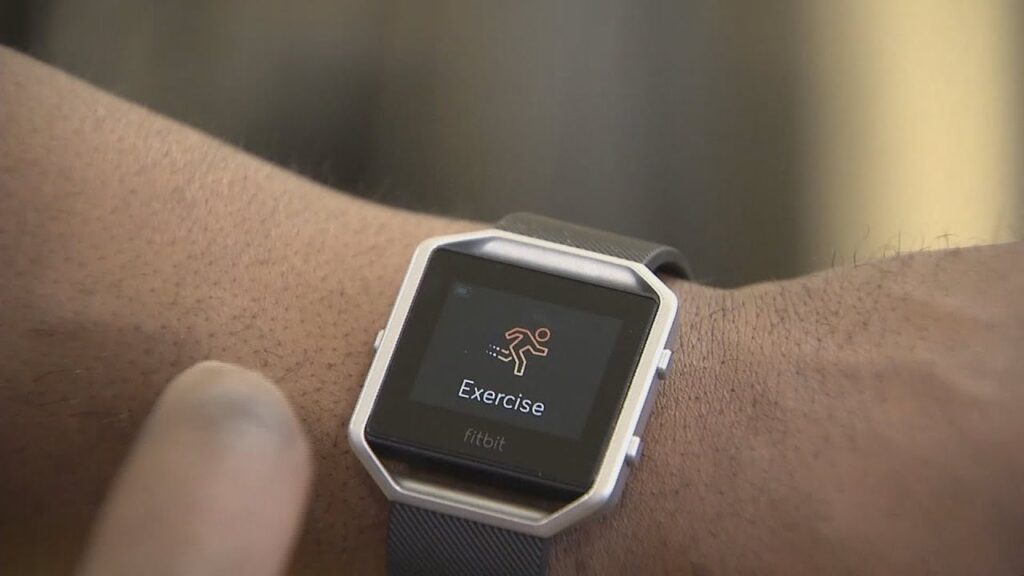
One of the most significant revolutions in fitness tech is the rise of personalization. Modern wearable fitness devices use artificial intelligence to analyze user data and recommend workouts perfectly tailored to the body’s energy levels, recovery status, and sleep quality.
Platforms like Fitbit Premium, Apple Fitness+, and Garmin Coach now offer adaptive fitness plans that modify themselves daily based on your recovery score and stress load. This means you’re no longer following a one-size-fits-all program—you’re training like an athlete, with scientific precision.
Simple factors such as reduced sleep or elevated stress can shift your body’s performance rhythm. Having a device that understands these changes helps you maintain balance naturally. For those interested in the connection between sleep, stress, and beauty, many wellness experts now explore this relationship in depth.
Motivation Through Data
Motivation has also taken a new form in the digital fitness era. Instead of waiting weeks to notice physical progress, wearable fitness devices allow users to see improvements daily—higher step counts, better sleep scores, increased readiness, or a lower resting heart rate. These micro-improvements create powerful psychological encouragement.
Gamified challenges, progress streaks, activity rings, badges, and community leaderboards make fitness playful, social, and rewarding. Whether you’re walking through Hyde Park, running along New York’s Hudson River, or cycling in Paris, your device quietly tracks your journey and reminds you how close you are to your next milestone.
From Tracking to Preventive Health
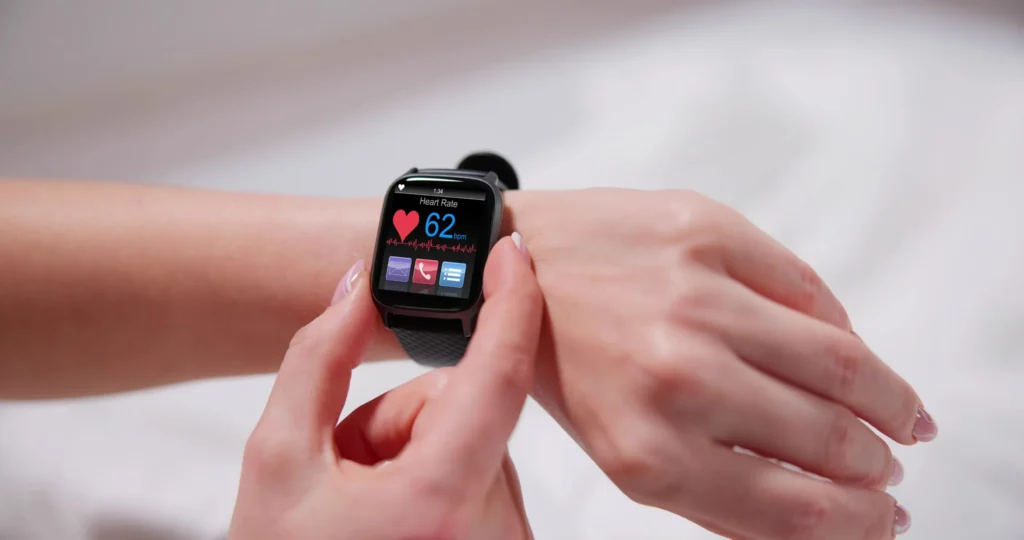
Another major advancement is the shift toward preventive wellness. Devices like the Oura Ring, Garmin Fenix, and Fitbit Sense monitor subtle changes such as temperature shifts, breathing rate variations, and sleep disruptions—allowing users to detect potential health issues early.
Health-conscious individuals in Europe and the US are embracing this technology to reduce unnecessary doctor visits and make proactive lifestyle adjustments. The more we understand our body data, the better we can protect our long-term health. This preventive approach is one reason why wearable fitness devices have become a necessity rather than a luxury.
The Role of Sleep and Stress in Fitness
Recovery is now recognized as being just as important as exercise itself. Top-tier fitness devices synchronize sleep patterns, stress levels, and daily performance metrics to provide a complete wellness overview. When your body shows signs of fatigue, tension, or emotional strain, the device may suggest lighter workouts, guided breathing sessions, or even relaxation routines.
Balanced recovery improves endurance, reduces injury risk, and keeps long-term motivation high. Experts agree that sleep and stress are two of the biggest factors affecting overall fitness, and modern devices make managing both easier and more insightful.
Fitness Meets Mental Wellness
Fitness in 2025 goes far beyond physical strength; it now embraces mental wellness as a fundamental part of health. Many wearable fitness devices include mindfulness features such as breathing exercises, calm-down reminders, mood tracking, and guided meditation. These tools help users identify emotional triggers and maintain focus throughout the day.
This integration of mental health features represents a holistic shift in wellness—one that values emotional stability as much as physical conditioning.
Data Privacy and Security
With so much personal health information being collected, privacy has become a major concern. Top brands like Apple, Garmin, and Fitbit follow strict data protection laws, including GDPR compliance, to keep user information secure. Still, users are encouraged to review privacy settings regularly to control what data is shared, stored, or analyzed.
As we move into the future, transparency and ethical data practices are becoming just as important as innovation itself.
The Future of Wearable Technology
The next generation of wearable fitness devices will integrate even deeper into daily life. Imagine smart clothing that tracks posture, earphones that monitor oxygen levels, and watches that predict hydration needs or nutrient deficiencies in real-time.
This seamless wellness ecosystem will anticipate your body’s needs before you even notice them. From smarter sleep tracking to AI-powered nutrition suggestions and early illness detection, the future of wearable tech promises to make health management effortless, intuitive, and incredibly personalised.
Final Thoughts
Wearable fitness devices have transformed fitness from a simple habit into a measurable, data-driven lifestyle. They empower people to understand their bodies better, stay motivated, and take control of their well-being through science-backed insights.
Whether you’re an athlete in London, a student in Berlin, or a busy parent in New York, these devices help translate your health data into meaningful daily action. The more we connect technology with self-awareness, the closer we move to a world where fitness is not just an activity—it becomes a way of life.