Partner yoga isn’t just about copying someone else’s movements, it’s an experience that blends physical challenge with human connection. At FitCareZone, we explore how two person yoga poses can strengthen not only muscles but also trust between partners. From beginners trying a simple seated stretch to experienced pairs mastering counterbalances, every pose has a purpose beyond flexibility.
Some poses require subtle adjustments, mindful breathing, and clear communication. Practicing with a partner transforms a routine workout into a shared journey. Whether it’s enhancing balance, improving coordination, or deepening emotional awareness, two person yoga encourages both bodies and minds to move in harmony. It’s an invitation to explore movement together, safely and intentionally.
Why Two Person Yoga Poses Feel Different From Solo Practice
Two person yoga introduces dynamics that solo practice rarely provides. Beyond the obvious physical challenges, the presence of a partner alters balance, coordination, and focus. Each movement is a dialogue, one body responding to another, adjusting instinctively to maintain stability. This added layer makes poses more engaging and, when done correctly, more effective for strength and flexibility.
Mentally, partner yoga cultivates trust and mindfulness. You learn to communicate subtly through posture, breath, and timing. Small cues become essential for alignment, and over time, this shared practice encourages patience, awareness, and a deeper sense of connection. Unlike solitary yoga, every pose carries an element of collaboration, transforming routine movements into an interactive experience.
The physical shift: shared balance and coordination
When practicing two person yoga, your body must constantly adapt to your partner’s movements. Weight distribution, stability, and core engagement take on new significance. Even simple seated or standing poses require subtle micro-adjustments, making balance both a physical and relational skill.
This shared physicality heightens body awareness. You begin noticing small shifts that wouldn’t matter solo but become crucial for holding a pose with a partner. Over time, your coordination improves, and exercises that once felt challenging start to feel intuitive, creating a deeper connection between movement and mindfulness.
The mental element: trust, communication, and awareness
Partner yoga is as much mental as it is physical. Every pose demands trust in your partner’s strength and judgment. Miscommunication can lead to wobbles or strain, so subtle cues like eye contact, breath syncing, and gentle guidance become essential.
This mental engagement fosters patience and active listening. You learn to anticipate a partner’s movements and respond calmly, which translates beyond the yoga mat. It’s a practice in cooperation, focus, and mutual respect, turning each session into a microcosm of supportive interaction.
Who two person yoga poses are actually for (beyond couples)
Although often marketed to couples, partner yoga is for anyone seeking connection and mindful movement. Friends, siblings, or workout buddies can all benefit from the shared physical and mental challenges. The key is mutual respect and willingness to communicate clearly.
Inclusivity is central, body types, flexibility levels, and experience don’t have to match. Poses can be adapted with small modifications or props, ensuring that anyone willing to engage can participate. This opens partner yoga to a broader audience and removes the misconception that it’s exclusively romantic.
Getting Started Safely With Two Person Yoga Poses
Starting partner yoga can feel exciting, but without proper preparation, beginners risk discomfort or injury. Setting clear expectations and understanding your partner’s limits is essential before attempting even basic poses. A calm, distraction-free environment and soft surfaces can make early sessions safer and more enjoyable. Simple warm-ups, like synchronized breathing and gentle stretching, help bodies adapt to shared movements.
Safety also involves mindful communication. Partners should agree on non-verbal cues, check alignment frequently, and progress gradually. Unlike solo yoga, misalignment can affect both participants, so taking small steps builds confidence and reinforces trust. Proper preparation ensures that the shared experience remains positive, effective, and injury-free.
Choosing the right partner and setting expectations
Selecting the right partner isn’t about matching skill levels exactly, it’s about trust and communication. Ideally, both participants are willing to go slow, listen actively, and respect limits. Discuss goals beforehand: Are you aiming for flexibility, strength, stress relief, or simply bonding?
Setting clear expectations prevents frustration. Partners can agree on pose difficulty, session length, and safety protocols. This initial conversation ensures both feel comfortable and confident, creating a foundation for enjoyable and productive sessions.
Warm-ups and alignment basics most people skip
Warm-ups are often overlooked, but they’re crucial in partner yoga. Light stretches, joint rotations, and synchronized breathing prepare muscles and improve coordination. Even minor movements, like mirrored twists or seated shoulder rolls, can prevent strain and enhance balance during partner poses.
Alignment check-ins are equally important. Small adjustments, such as foot positioning or hand placement, ensure stability and comfort for both participants. Paying attention to these details early on reduces the risk of discomfort and builds confidence in more complex poses.
Common mistakes beginners make, and how to avoid them
Beginners often underestimate the importance of communication and patience. Rushing into poses, ignoring body signals, or assuming matching flexibility levels can lead to instability or tension.
Avoid these pitfalls by progressing slowly, using props for support, and checking in frequently. Focus on synchronization rather than perfection, mastering the basics creates a safe, enjoyable environment that encourages consistency and long-term success.
Beginner-Friendly Two Person Yoga Poses Anyone Can Try
Starting with simple, low-risk poses allows partners to build trust and coordination. Beginner poses emphasize stability, light stretching, and synchronization rather than extreme flexibility. By focusing on easy back-to-back or seated positions, you can develop awareness of each other’s movements while experiencing immediate benefits in posture and balance.
These poses also set a foundation for more advanced practices. Practicing with patience, proper alignment, and communication ensures safety while encouraging shared enjoyment. Even a few minutes per session can improve flexibility, core engagement, and mental connection, making partner yoga accessible to nearly anyone.
Seated back-to-back breathing pose
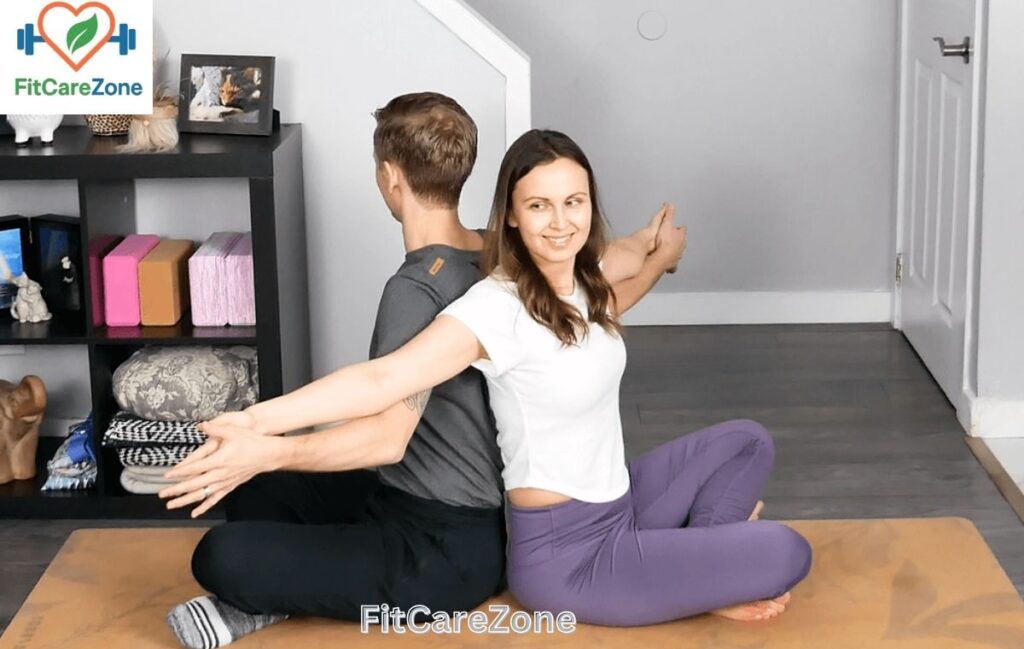
This pose involves sitting cross-legged with your partner’s back aligned against yours. Synchronize your breaths, lengthening the spine with each inhale and exhale. The shared support creates gentle spinal alignment and deepens mindfulness.
It also fosters non-verbal communication. Small shifts in posture signal the need for adjustment, enhancing attentiveness and connection. Beyond physical benefits, this simple exercise encourages calm, centered breathing and trust-building between partners.
Partner forward fold
In this variation, partners sit facing each other with legs extended and soles touching. Each leans forward while the other provides gentle resistance, stretching hamstrings and lower back. The reciprocal movement improves flexibility safely and gradually.
The pose reinforces coordination and balance. Timing is key: leaning too fast can disrupt alignment, while slow, synchronized folding maximizes stretch and engagement. Partners learn to read subtle cues, promoting awareness and cooperation.
Double chair pose with support
Standing side by side, partners sit into a shared squat, lightly leaning against each other for support. This strengthens quads, glutes, and core while teaching balance and mutual trust. Communication is essential to maintain alignment and avoid strain.
Variations can adjust difficulty by changing depth or duration. Even beginners can benefit, as the shared weight provides stability while challenging posture. This pose encourages collaboration, making strength-building exercises interactive and enjoyable.
Standing Two Person Yoga Poses for Balance and Strength
Standing partner poses introduce a new dimension of challenge by combining vertical balance with coordination. These exercises improve lower-body strength, core stability, and proprioception. Standing poses often require subtle weight shifts, micro-adjustments, and constant awareness of your partner’s movements.
Practicing upright poses also enhances confidence. The risk of falling is higher than in seated poses, so partners learn patience and attentiveness quickly. Over time, these exercises improve posture, body control, and shared rhythm, key elements for more advanced practices.
Partner tree pose
Partners stand side by side or face each other, placing the sole of one foot against the inner thigh of the other’s standing leg. Hands can meet in prayer position or link together for added balance. This pose improves leg strength, focus, and coordination.
Subtle micro-adjustments are necessary to maintain stability. Eye contact and breath synchronization help partners remain balanced while building trust. The shared support encourages confidence, making this an ideal standing introduction for beginners.
Double warrior variation
Facing each other with staggered legs, partners mirror warrior II poses, holding hands for stability. This strengthens legs, core, and shoulders while teaching cooperative alignment. The pose emphasizes engagement rather than perfection, making it accessible for most fitness levels.
The hand connection fosters communication and subtle pressure feedback, allowing partners to correct posture without verbal cues. This interactive element differentiates partner yoga from solo practices, combining strength with relational awareness.
Assisted standing twist
Partners stand side by side or back to back, twisting away from each other while maintaining contact through arms or shoulders. The shared resistance deepens spinal mobility and stretches obliques. Proper communication ensures a controlled, safe twist.
The exercise encourages attentiveness to each partner’s range of motion. By moving slowly and in sync, participants prevent strain while enhancing coordination. It also adds a playful element, making partner yoga enjoyable while developing core flexibility.
Two Person Yoga Poses That Improve Flexibility and Mobility
Partner yoga can accelerate flexibility gains by incorporating gentle resistance and shared stretches. When practiced mindfully, these poses improve range of motion, joint mobility, and posture alignment. Unlike solo stretching, working with a partner provides subtle cues and support, allowing deeper but safe elongation of muscles.
Flexibility-focused poses also strengthen trust and communication. Partners learn to adjust gradually, respecting each other’s limits while exploring new movements. Over time, this practice enhances both physical agility and mental awareness, making daily movement more fluid and coordinated.
Partner hamstring stretch
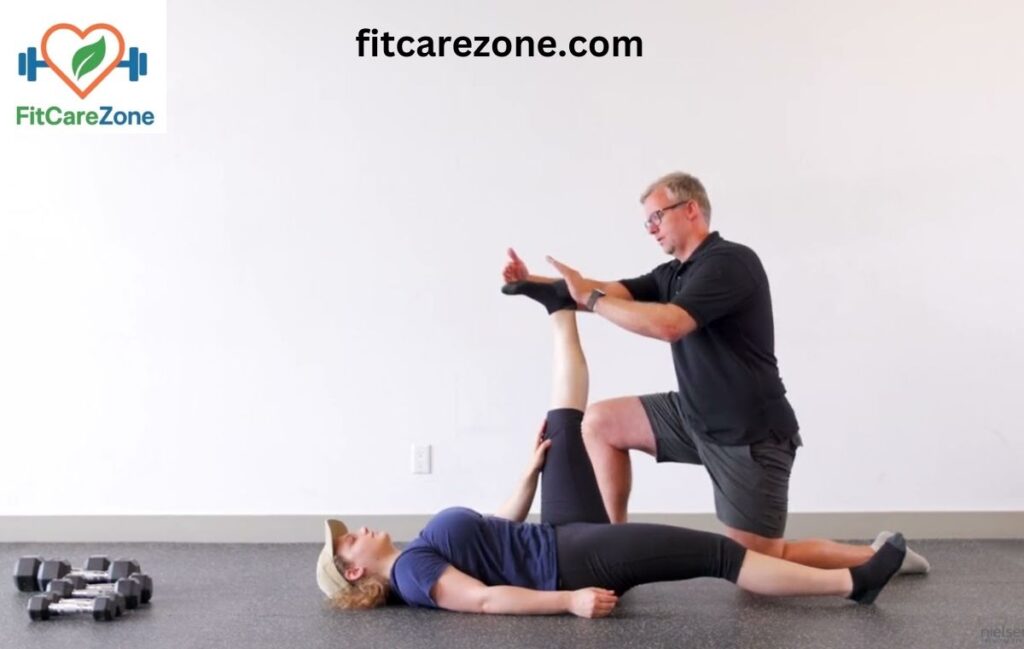
Sitting facing each other with legs extended, one partner leans forward while the other gently guides them, stretching the hamstrings. The partner provides support to prevent overextension, enhancing flexibility safely.
This pose teaches sensitivity to another’s range of motion. By maintaining steady breathing and slow adjustments, both partners increase mobility while developing mutual awareness. It’s a simple yet effective addition to any partner yoga routine.
Supported bridge pose
One partner lies on the mat in a bridge position while the other provides support by placing hands or feet to stabilize the hips. This deepens the backbend, stretches the chest, and engages glutes and core.
Beyond physical benefits, the pose emphasizes trust. Participants must coordinate movement and weight, enhancing connection while improving spinal mobility. Repeated practice strengthens muscles while fostering cooperative balance.
Seated spinal release with a partner
Partners sit back-to-back, each gently twisting to one side while the other holds them for support. This improves spinal rotation, relieves tension, and encourages posture awareness.
Coordination is key; sudden movements can strain the lower back. Through controlled twists and mutual support, partners learn alignment and relaxation simultaneously, making this a restorative yet effective mobility exercise.
Advanced Two Person Yoga Poses for Experienced Pairs
Once basic poses are mastered, advanced partner yoga introduces counterbalances, core challenges, and dynamic transitions. These exercises demand trust, strength, and precision, creating a sense of achievement and deepened connection.
Advanced poses also cultivate resilience and body awareness. Both participants must remain present, communicate subtly, and adapt in real time. Mastering these movements enhances posture, balance, and coordination far beyond solo yoga, rewarding consistent practice with noticeable transformation.
Double plank variation
Both partners face each other in a plank, feet or hands connecting to create support. This increases core engagement, stability, and upper-body strength while reinforcing balance.
The pose is physically demanding and requires synchronized breathing. Trust is essential; a minor misalignment can affect both participants. Practicing regularly builds endurance and enhances awareness of body mechanics in tandem with a partner.
Partner boat pose
Sitting opposite each other, partners lift legs and hold hands while balancing on the sit bones, forming a “V” shape. The pose strengthens abs, hip flexors, and lower back, while promoting stability and coordination.
This exercise emphasizes timing and mutual support. Synchronizing lift and balance ensures safety and maximizes core activation. Partner boat pose is both challenging and playful, encouraging focus and collaboration.
Counterbalance standing poses
Partners lean away from each other while holding hands or wrists, using mutual weight for balance. This enhances leg strength, stability, and trust.
Success depends on communication and body awareness. Each subtle adjustment affects both participants, reinforcing mindfulness and cooperative skill. Counterbalance poses combine physical intensity with relational engagement, making them rewarding for advanced practitioners.
Emotional and Physical Benefits of Practicing Yoga With a Partner
Partner yoga offers more than physical exercise—it nurtures connection, communication, and mental well-being. The act of moving together requires focus, patience, and trust, which strengthens relationships. Regular practice can reduce stress, improve mood, and create a shared sense of accomplishment that solo workouts rarely achieve.
Physically, these exercises enhance balance, coordination, and flexibility. Synchronizing movements and breath helps participants stay present, improving mindfulness and body awareness. Over time, partner yoga fosters both emotional resilience and physical strength, making it a holistic practice for mind and body.
How partner yoga strengthens communication
Every pose requires subtle cues, verbal or non-verbal, to maintain alignment and stability. Partners learn to read each other’s signals, anticipate movements, and adjust accordingly.
This practice extends beyond the mat. Enhanced communication skills build empathy, patience, and responsiveness, improving interactions in daily life while creating a more harmonious yoga experience.
Stress reduction and nervous system regulation
Synchronizing breath and movement with a partner activates the parasympathetic nervous system, promoting relaxation. The tactile support in stretches and balance poses reduces tension and encourages mental calm.
By focusing on shared movement, practitioners shift attention away from distractions and stressors. This mindful engagement supports emotional regulation, leaving participants both physically and mentally rejuvenated.
Long-term motivation and consistency benefits
Practicing with a partner encourages accountability and consistency. The social and emotional connection makes sessions enjoyable, reducing the likelihood of skipping practice.
Shared progress creates motivation to explore new poses and challenge oneself. This dynamic keeps the routine engaging, sustainable, and rewarding for both physical fitness and relational growth.
How to Make Two Person Yoga Poses a Regular Practice
Consistency is key to realizing the benefits of partner yoga. Integrating it into weekly routines helps both partners build strength, flexibility, and coordination progressively. Small, manageable sessions often work better than long, sporadic practices.
Scheduling regular sessions also promotes reliability and commitment. Combining partner yoga with solo exercises allows participants to refine personal skills while enhancing collaborative movements. Gradual progression and mindful reflection ensure the practice remains safe, effective, and enjoyable.
How often to practice together
For most beginners, 2–3 sessions per week are sufficient to develop coordination and comfort with partner poses. Experienced pairs can increase frequency as endurance and confidence grow.
Short, focused sessions are often more effective than infrequent, long practices. Consistency strengthens trust, improves synchronization, and ensures measurable physical and emotional benefits over time.
Mixing partner yoga with solo sessions
Alternating between partner and individual yoga allows both participants to develop personal strength, balance, and flexibility. Solo sessions also provide space for introspection and refinement of foundational poses.
This combination creates a balanced practice. When partners return to shared poses, improved individual skills translate into more stable, confident, and fluid interactions.
When to stop, modify, or reset
Listening to your body is critical. Discomfort, imbalance, or misalignment are signals to pause, modify, or reset a pose. Ignoring these signs increases the risk of strain or injury.
Use props, reduce range of motion, or temporarily switch to simpler poses when necessary. Mindful adjustments maintain safety and encourage long-term progress without frustration or setbacks.
Frequently Asked Questions:
What is the most relaxing 2-person yoga pose?
The seated back-to-back breathing pose is the most calming, promoting deep relaxation and mindful connection between partners. It gently aligns the spine while syncing breaths.
Is 2 person yoga good for couples?
Yes, partner yoga strengthens trust, communication, and intimacy while improving flexibility, balance, and core strength.
How to do two person yoga poses?
Start with simple poses, communicate with your partner, align safely, and synchronize movements gradually. Use props or modifications for support as needed.
Is it okay for Christians to do yoga?
Yes, yoga can be practiced as a physical and mindfulness exercise without religious elements; focus on health, breath, and movement.
What is the most powerful yoga pose?
The headstand (Sirsasana) is considered powerful, improving circulation, focus, and core strength while boosting confidence and balance.
What are the 12 basic yoga postures?
Common foundational postures include Mountain, Downward Dog, Plank, Cobra, Warrior I & II, Triangle, Seated Forward Fold, Bridge, Cat-Cow, Child’s Pose, and Tree.
Can you lose belly fat doing yoga?
Yes, regular yoga combined with mindful diet and cardio can reduce belly fat by strengthening core muscles and boosting metabolism.
What are the 4 main yogas?
The four main yogas are Karma Yoga (selfless action), Bhakti Yoga (devotion), Jnana Yoga (knowledge), and Raja Yoga (meditation and discipline).