
Winter is beautiful, but it is brutal on your skin. The moment temperatures drop, many people notice their skin becoming tight, flaky, rough, and dull – even those who never deal with dryness in other seasons. If you are searching for real, effective beauty tips for dry skin in winter, you are in the right place. At FitCareZone, we have researched and compiled the most trusted, dermatologist-backed guidance available to help you keep your skin soft, hydrated, and glowing throughout the cold months.
Disclaimer: This article is written for informational and educational purposes only. All information is based on publicly available guidance from trusted health sources including the American Academy of Dermatology (AAD), Harvard Health, Mayo Clinic, and Columbia University Medical Center. It is not a substitute for professional medical advice. Please consult a qualified dermatologist for personalized skin concerns.
Why Does Skin Become Dry in Winter?
Before jumping into solutions, it helps to understand what is actually happening to your skin. Winter dry skin – medically known as xerosis – is caused by a combination of environmental and lifestyle factors that strip the skin of its natural moisture and weaken the skin barrier.
Cold Air and Low Humidity Drain Your Skin’s Moisture
Cold outdoor air naturally holds less moisture than warm air. When humidity levels drop in winter, the outermost layer of your skin – called the stratum corneum – loses water faster than it can be replenished. This causes the tight, uncomfortable feeling many people notice within the first few cold weeks of the season.
Indoor Heating Makes Dryness Worse
Central heating, fireplaces, and space heaters all warm your home but also significantly reduce indoor humidity. According to UC Health skin care specialists, the forced hot air circulating in heated buildings pulls moisture away from your skin throughout the day – even when you are comfortably indoors.
Hot Showers and Harsh Cleansers Remove Natural Skin Oils
Hot water strips the skin of its natural protective lipids. The same goes for soap-based, heavily fragranced, or alcohol-containing cleansers. These remove the skin’s natural oil layer that normally acts as a barrier to prevent moisture loss.
Wind Exposure Damages the Skin Barrier
Cold winter wind physically damages the outermost skin barrier, leading to surface dryness, redness, and irritation – especially on exposed areas like the face, lips, and hands.
Signs You Have Winter Dry Skin
Knowing the signs of winter skin dryness helps you act early before the condition worsens.
Common Symptoms of Dry Skin in Winter
The most frequent signs include a feeling of tightness or pulling in the skin – especially after washing – rough or flaky texture, visible peeling, dull complexion, and itchiness. Fine lines and wrinkles can also appear more noticeable when skin loses hydration. In more severe cases, redness, cracking, and even bleeding can occur.
When You Should See a Dermatologist
Most winter dry skin responds well to home care. However, according to the American Academy of Dermatology, you should consult a board-certified dermatologist if your dryness does not improve after a few weeks of consistent home treatment, if you develop deep cracks or bleeding, if the area becomes red and swollen, or if symptoms suggest an underlying condition like eczema, psoriasis, or atopic dermatitis.
15 Proven Beauty Tips for Dry Skin in Winter
These tips are organized into three practical categories – skincare routine, natural home remedies, and lifestyle habits – so you can choose what works best for your situation and build a complete winter skin care plan.
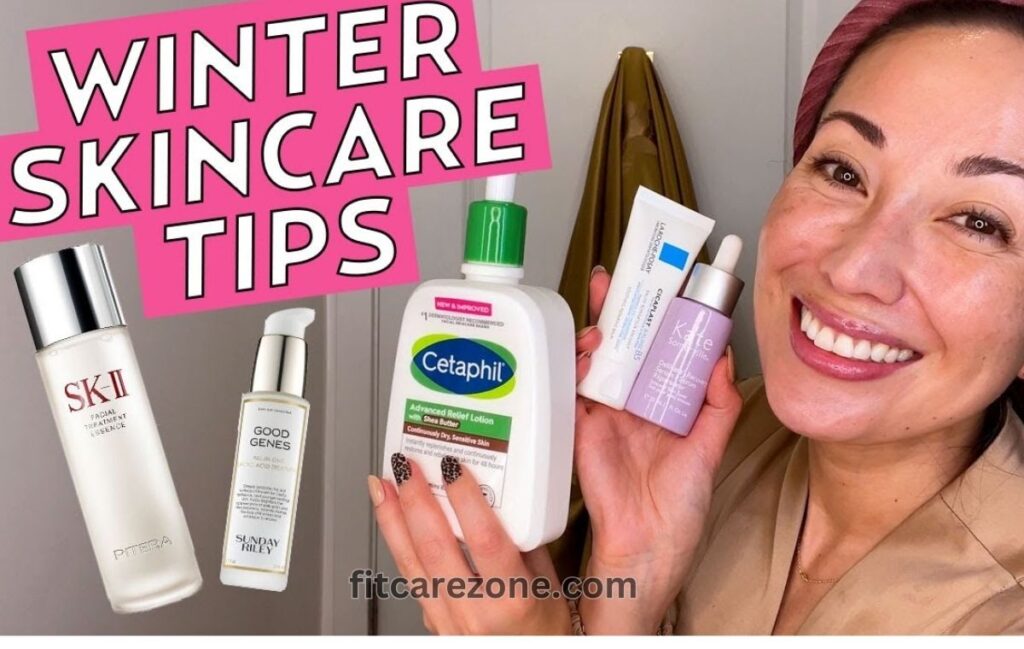
Skincare Routine Tips
Tip 1 – Switch to a Cream-Based or Oil-Based Cleanser
One of the most important beauty tips for dry skin in winter is to stop using foam, gel, or soap-based face washes during cold months. These cleansers are designed to remove oil – and in winter, that is the last thing your skin needs. Switch to a gentle, fragrance-free cream cleanser or a non-soap cleanser containing ceramides or oils. According to UC Health skin experts, a cream cleanser with ceramides and oils helps your skin retain moisture throughout the day without causing irritation.
Tip 2 – Moisturize Immediately After Washing – Every Single Time
The best time to apply moisturizer is within a few minutes of washing your face or stepping out of the shower – while your skin is still slightly damp. This traps surface moisture inside your skin before it evaporates. Harvard Health Publishing recommends this as one of the most effective strategies for combating winter skin dryness. Use a thick cream or ointment rather than a lightweight lotion – creams contain more oil and provide significantly better protection for dry, dehydrated skin.
Tip 3 – Add a Hyaluronic Acid Serum to Your Routine
Hyaluronic acid is a naturally occurring molecule in your skin that holds moisture – it can hold up to 1,000 times its weight in water. In winter, your skin’s hyaluronic acid levels drop due to cold air and environmental stress. Adding a hyaluronic acid serum under your moisturizer draws hydration deep into your skin layers and plumps the skin from within. Apply it to slightly damp skin for maximum absorption and follow immediately with a rich moisturizer to seal it in.
Tip 4 – Never Skip SPF Sunscreen – Even in Winter
Many people make the mistake of putting away their sunscreen when summer ends. According to Columbia University dermatologist Dr. Alexandra Coromilas, UV rays in winter are just as damaging as in summer, especially for those spending time outdoors where light reflects off snow. UV radiation weakens the skin’s moisture barrier, making dryness worse. Use a broad-spectrum SPF 30 or higher every morning – ideally one with a moisturizing base suited for dry skin.
Tip 5 – Use a Humidifier in Your Home
A humidifier restores moisture to the dry, heated indoor air of your home – directly benefiting your skin. Harvard Health recommends setting a humidifier to around 60% humidity to effectively replenish moisture in the skin’s outer layer. Place it in the room where you spend the most time, ideally your bedroom, and run it while sleeping. This simple addition can make a visible difference in your skin’s hydration level within a week.
Natural Home Remedies for Dry Skin in Winter
Tip 6 – Apply Coconut Oil as a Natural Skin Moisturizer
Coconut oil is one of the most time-tested home remedies for dry skin in winter. It contains lauric acid and saturated fatty acids that act as natural emollients – filling in the tiny gaps between skin cells and reinforcing the skin’s protective barrier. According to National Geographic, coconut oil has antiviral and antifungal properties in addition to its moisturizing benefits. Apply virgin coconut oil to slightly damp skin after bathing for best results. It works particularly well for dry hands, feet, and elbows.
Tip 7 – Use Raw Honey as a Deeply Hydrating Face Mask
Honey is a natural humectant – meaning it draws moisture from the air and locks it into your skin. It also contains antioxidants that fight free radical damage and help restore your skin’s natural glow. Apply raw honey directly to clean, dry skin on your face or other affected areas, leave it on for 15 to 20 minutes, then rinse off with warm water. Regular use once or twice a week can noticeably soften and brighten dry, dull winter skin.
Tip 8 – Try an Oatmeal Bath to Soothe Itchy, Irritated Skin
Colloidal oatmeal – finely ground oatmeal added to bathwater – is a well-documented natural remedy for dry, itchy skin. Oatmeal contains natural anti-inflammatory and antioxidant compounds that create a protective barrier on the skin’s surface, helping to lock in moisture and reduce irritation. It is widely used in dermatology-approved skincare products for sensitive and eczema-prone skin. Add one cup of finely ground plain oatmeal to warm (not hot) bath water and soak for 10 to 15 minutes.
Tip 9 – Apply Aloe Vera Gel for Cooling Hydration and Skin Repair
Aloe vera gel is rich in humectants that bind moisture to the skin and is absorbed quickly without leaving a greasy residue. Preliminary research also suggests aloe vera may support collagen synthesis, helping to maintain skin elasticity. Apply pure aloe vera gel – ideally directly from a fresh plant or a product with minimal additives – to dry, inflamed areas of your face, hands, or feet. For very dry hands or cracked feet, apply the gel generously and cover with cotton gloves or socks overnight.
Tip 10 – Use Shea Butter for Overnight Deep Repair
Shea butter is one of the richest natural occlusives and emollients available for dry skin. It creates a long-lasting protective barrier on the skin surface while simultaneously nourishing with vitamins A and E. Shea butter is especially effective for severely dry, cracked, or rough patches. Apply it to your hands, feet, lips, and body at night before sleeping. You can also mix a small amount of shea butter with coconut oil for an even richer overnight skin treatment.
Lifestyle and Beauty Habits for Glowing Winter Skin
Tip 11 – Take Short Lukewarm Showers Instead of Hot Ones
This is one of the simplest but most impactful changes you can make. Hot water strips your skin’s natural oils far more aggressively than lukewarm water. The American Academy of Dermatology and Harvard Health both specifically recommend limiting baths and showers to 5 to 10 minutes using warm – not hot – water. Close the bathroom door while showering to keep humidity in the room, and pat (never rub) your skin dry with a soft towel immediately afterward.
Tip 12 – Drink Enough Water – Skin Hydration Starts from Within
Dehydration directly affects your skin’s ability to maintain moisture. In winter, people tend to drink less water because they feel less thirsty in cold weather – but your skin still needs consistent internal hydration. Aim for at least 8 glasses (2 litres) of water per day. Warm herbal teas like chamomile and green tea are excellent winter alternatives that also deliver antioxidants beneficial for skin health.
Tip 13 – Eat Skin-Nourishing Foods Rich in Healthy Fats and Vitamins
Your diet has a direct impact on how your skin looks and feels. Omega-3 fatty acids – found in salmon, walnuts, flaxseeds, and chia seeds – reduce inflammation and support the skin’s moisture barrier. Vitamin E from sunflower seeds and almonds protects skin cell membranes. Vitamin C from citrus fruits and bell peppers supports collagen production. Beta-carotene from sweet potatoes and carrots promotes healthy skin cell renewal. Zinc from pumpkin seeds and eggs supports skin repair. Eating a balanced, nutrient-dense diet is one of the most underrated beauty tips for dry skin in winter.
Tip 14 – Wear Skin-Friendly Fabrics and Protect Exposed Skin Outdoors
Wool and polyester fabrics worn directly against the skin can worsen dryness and trigger irritation, especially for people with sensitive skin. The AAD recommends wearing loose-fitting cotton as the layer closest to your skin, and covering exposed areas – face, hands, lips – when going outdoors in cold or windy weather. Use a scarf, hat, and gloves to protect your skin barrier from wind damage and moisture loss.
Tip 15 – Never Skip Your Night Cream – Let Your Skin Repair While You Sleep
Nighttime is when your skin does its most intensive repair and regeneration. Applying a thick, nourishing night cream or sleeping mask before bed gives your skin the active ingredients it needs to restore hydration, rebuild the lipid barrier, and recover from daily environmental stress. Look for night creams containing ceramides, niacinamide, squalane, or peptides. For extremely dry skin, the AAD recommends applying petroleum jelly (Vaseline or Aquaphor) as the final occlusive layer on hands and feet overnight.
Best Winter Skincare Routine for Dry Skin – Morning and Night
A structured routine makes these tips easy to apply consistently.
Morning Skincare Routine for Dry Skin in Winter
Start with a gentle cream cleanser, then apply a hydrating alcohol-free toner to balance your skin’s pH. Follow with a hyaluronic acid serum on damp skin, then seal everything in with a rich cream-based moisturizer. Finish with a broad-spectrum SPF 30 sunscreen. This five-step morning routine takes less than five minutes and addresses every layer of winter skin protection.
Night Skincare Routine for Dry Skin in Winter
Begin by removing makeup with a gentle oil-based cleanser or micellar water. Cleanse again with your cream cleanser, then apply toner. Use a nourishing face oil or hydrating serum, followed by a thick night cream or sleeping mask. For hands and feet, apply shea butter or petroleum jelly and cover with cotton gloves or socks to lock in moisture overnight. Consistency with this routine over 2 to 3 weeks will produce visible improvements in skin softness and hydration.
Best Foods and Drinks for Dry Skin in Winter
Skin-Hydrating Foods to Add to Your Winter Diet
The most beneficial foods for dry winter skin include fatty fish like salmon and mackerel (high in omega-3 fatty acids), avocado (rich in vitamins E and C plus beneficial fats), sweet potatoes and carrots (high in beta-carotene and vitamin A), citrus fruits and red bell peppers (packed with vitamin C for collagen), sunflower seeds and almonds (excellent sources of vitamin E), and pumpkin seeds and eggs (provide zinc for skin repair and regeneration).
Best Drinks to Hydrate Your Skin from the Inside
Water remains the most effective drink for skin hydration – aim for 2 litres daily. Green tea is packed with polyphenol antioxidants that protect against skin damage. Coconut water provides natural electrolytes that support cellular hydration. Warm chamomile tea has mild anti-inflammatory properties that benefit sensitive, dry skin. Avoid excessive caffeine and alcohol in winter as both are diuretics that accelerate dehydration.
Common Winter Skincare Mistakes That Make Dry Skin Worse
Many people unknowingly make their winter skin dryness worse through everyday habits. Knowing what to avoid is just as important as knowing what to do.
Mistakes That Damage Your Skin Barrier in Winter
Taking long hot showers daily is one of the most damaging things you can do to winter skin – it strips away the natural lipid layer that holds moisture in. Using alcohol-based toners, astringents, or heavily fragranced products irritates and dehydrates dry skin further. Skipping sunscreen because it is overcast or cold leaves your skin barrier vulnerable to UV damage. Over-exfoliating with harsh scrubs or chemical exfoliants removes the protective outer skin layer that is already compromised in winter.
Using lightweight summer lotions instead of upgrading to rich creams or ointments leaves skin under-protected. Forgetting to moisturize your lips, hands, and feet – the areas most exposed to cold air – leads to cracking and discomfort. Drinking less water in winter because you feel less thirsty leads to internal dehydration that shows directly on your skin.
Beauty Tips for Dry Skin on Face, Lips, and Hands in Winter
Different areas of your body have different needs – here is how to address each one specifically.

How to Treat Dry Skin on Your Face in Winter
Your face is the most exposed and most visible area affected by winter dryness. Use a hydrating sheet mask once a week to give your skin an intensive moisture boost. Avoid clay, charcoal, or mud masks in winter – they are designed to absorb oil and will worsen dryness. Apply a separate eye cream with nourishing ingredients like avocado oil or caffeine to protect the delicate under-eye area, which is particularly vulnerable to dryness and fine lines in cold weather.
How to Heal Dry Chapped Lips in Winter
Columbia University dermatologists specifically recommend petroleum jelly over flavored lip balms, which often contain preservatives and fragrances that can irritate already dry lips. Apply petroleum jelly (Vaseline or Aquaphor) generously to lips throughout the day and before sleeping. Gently exfoliate lips once a week with a soft, wet toothbrush to remove flaky skin. Avoid licking your lips – saliva evaporates quickly and leaves lips drier than before.
How to Soften Dry Hands in Winter
Hands are washed many times a day and are constantly exposed to cold air, making them one of the first places winter dryness appears. According to the AAD, wearing gloves while doing dishes or working with water prevents further moisture loss. Apply a thick, fragrance-free hand cream after every single hand wash. For severely dry or cracked hands, apply a generous layer of petroleum jelly or shea butter at night and wear cotton gloves while sleeping.
Best Skincare Ingredients to Look for in Winter Moisturizers
Not all moisturizers are equal when it comes to dry winter skin. The most effective products contain a combination of three types of ingredients:
Humectants draw moisture into the skin. Look for hyaluronic acid, glycerin, and sorbitol. These are the foundation of any good winter moisturizer.
Emollients fill the microscopic gaps between skin cells, creating a smoother, softer texture. The best emollients for dry skin include ceramides, squalane, shea butter, and fatty acids like linoleic acid.
Occlusives create a seal on the skin’s surface to prevent water from escaping. The most effective occlusives include petrolatum (petroleum jelly), lanolin, dimethicone, and beeswax. For the driest skin types, a product containing all three categories – or layering products across all three – gives the best protection.
According to Harvard Health, look specifically for ceramides, glycerin, sorbitol, hyaluronic acid, and lecithin as humectants, and petrolatum, silicone, and lanolin as sealants when choosing a winter moisturizer.
Frequently Asked Questions About Beauty Tips for Dry Skin in Winter
What is the best home remedy for dry skin in winter?
Coconut oil, raw honey, and aloe vera gel are among the most effective and widely used home remedies for dry skin in winter. Coconut oil replenishes the skin’s lipid barrier, honey acts as a humectant that draws and holds moisture, and aloe vera soothes inflammation while binding water to the skin. Petroleum jelly (Vaseline) is considered by dermatologists to be one of the most effective occlusives available without a prescription.
How do I stop dry skin in winter naturally?
To naturally prevent winter dry skin, moisturize immediately after every wash with a thick cream, switch to lukewarm showers of 5 to 10 minutes, use a humidifier indoors, eat foods rich in omega-3 fatty acids and vitamins C and E, drink adequate water daily, and protect your skin from the wind with scarves and gloves. These lifestyle and skincare changes address both the external and internal causes of winter dryness.
Which moisturizer is best for dry skin in winter?
Dermatologists consistently recommend cream-based or ointment-based moisturizers over thin lotions for dry winter skin. Look for products containing ceramides to rebuild the skin barrier, hyaluronic acid to attract moisture, and glycerin to maintain hydration. Avoid moisturizers with alcohol, fragrances, or dyes, which can irritate dry skin. For very severe dryness, petroleum jelly applied at night is the most occlusive option available.
How can I get glowing skin in winter naturally?
Achieving glowing skin in winter naturally involves staying well hydrated, eating a nutrient-rich diet, following a consistent morning and night skincare routine, gentle exfoliation once a week to remove dead skin cells, and using ingredients like vitamin C serum to brighten the complexion. Adequate sleep also plays a major role — skin cell regeneration peaks during deep sleep, and consistent rest results in visibly healthier, more radiant skin.
Is coconut oil good for dry skin in winter?
Yes – coconut oil is an effective natural moisturizer for dry skin in winter. Its high saturated fatty acid content makes it an excellent emollient that smooths and softens skin by filling in the spaces between skin cells. It also forms a light occlusive barrier that helps slow moisture loss. For best results, apply virgin coconut oil to slightly damp skin and massage it in gently. It works well on the body, hands, feet, and as an overnight treatment.
Why does my skin get so dry in winter?
Skin becomes dry in winter because cold air holds significantly less moisture than warm air, causing faster water evaporation from the skin surface. Indoor heating further depletes humidity. Hot showers and harsh soaps remove natural skin oils. Wind damages the outer skin barrier. And the skin produces slightly less sebum in cold temperatures. All these factors combine to break down the skin’s natural moisture-retaining mechanisms, leading to the dryness, tightness, and flaking typical of winter skin.
Final Thoughts – Keep Your Skin Soft and Glowing This Winter
Dry skin in winter is extremely common – but it is also very manageable with the right approach. The most important things you can do are switch to a richer moisturizer, apply it immediately after washing, take shorter cooler showers, use a humidifier, and protect exposed skin from cold air. Adding natural remedies like coconut oil, honey, and aloe vera can further support your skin’s hydration and recovery.
You do not need expensive products or complicated routines. Consistent daily habits – backed by trusted guidance from dermatologists and health professionals — are what make the real difference. Start with two or three of these beauty tips for dry skin in winter, build your routine gradually, and your skin will thank you by staying soft, healthy, and glowing all season long.
For more skin care tips, yoga guides, and wellness advice based on trusted public health information, explore the rest of FitCareZone.
Sources consulted for this article: American Academy of Dermatology (aad.org) | Harvard Health Publishing (health.harvard.edu) | Mayo Clinic (mayoclinic.org) | Columbia University Irving Medical Center (cuimc.columbia.edu) | UC Health (uchealth.com) | Healthline (healthline.com) | National Geographic Science (nationalgeographic.com)
This content is for informational purposes only and does not constitute medical advice. Always consult a qualified healthcare provider or dermatologist for skin concerns specific to your health.


Pingback: Morning Beauty Routine for Glowing Skin - Best Guide 2026