
In today’s fast-paced and technology-driven world, people spend most of their time sitting in front of screens. Whether it is work, entertainment, or study, the result is the same , lack of physical movement and mental relaxation. This lifestyle has led to increasing stress levels, fatigue, and health problems. The best solution to overcome these issues is to develop a balanced routine that includes both yoga and exercise. Together, they provide a perfect combination for maintaining physical strength, emotional balance, and mental peace.
At Fitcarezone , you will get all health and beauty tips for healthy and smart life
Medical Disclaimer: This article is for informational and educational purposes only. It is not a substitute for professional medical advice or dermatological treatment. Always patch test natural ingredients before applying to your full face. Consult a qualified dermatologist if you have a skin condition, allergy, or persistent skin concern.
What Is the Difference Between Yoga and Exercise?
Although yoga and exercise both contribute to good health, their approaches and outcomes are quite different. Exercise focuses mainly on improving physical performance through movements that build strength, flexibility, and endurance. Running, cycling, or strength training are common forms of exercise that target muscle development and cardiovascular fitness. Yoga, in contrast, connects the body, mind, and soul through asanas (postures), pranayama (breathing), and meditation. Exercise strengthens your body from the outside, while yoga nurtures your mind and inner calmness from the inside.
Read About Natural Beauty Tips
Benefits of Regular Exercise
- Improves Heart Health
Exercise increases blood circulation and keeps the heart healthy. Regular physical activity such as brisk walking, cycling, or swimming helps in maintaining stable blood pressure and reduces the risk of heart disease.
- Builds Strength and Endurance
Strength training enhances muscle tone and bone density. It allows the body to handle physical stress and maintain stamina.
- Controls Weight
Daily exercise helps burn calories and prevents fat accumulation. It keeps your metabolism active throughout the day.
- Boosts Energy Levels
Physical activity improves oxygen flow in the body, which enhances alertness and energy.
- Promotes Better Sleep
People who engage in regular exercise enjoy deeper and more restful sleep, which contributes to better mental health.
Benefits of Yoga
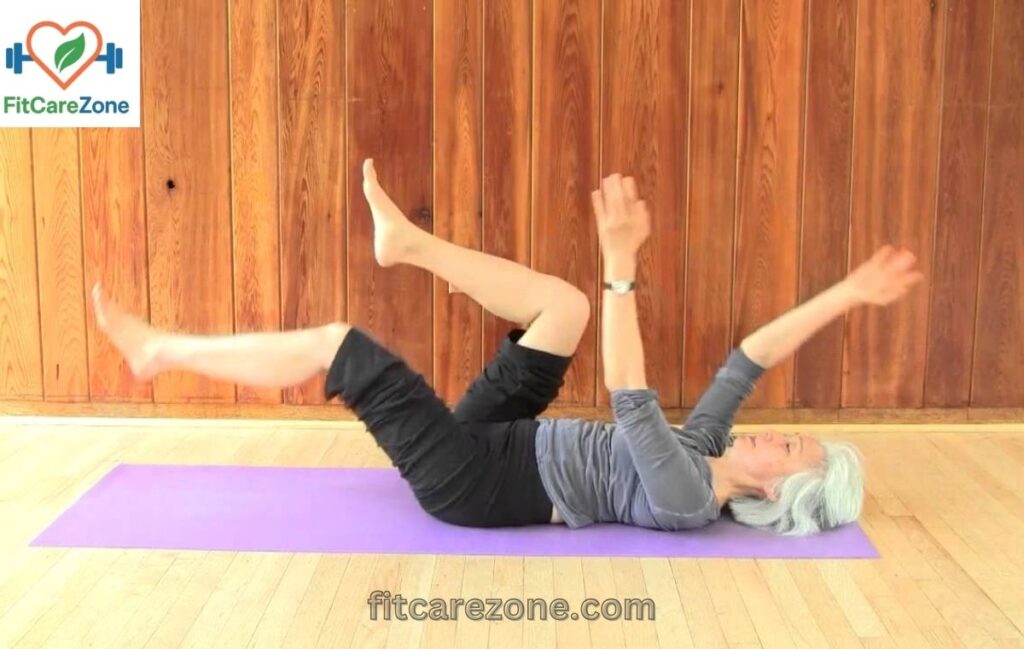
- Reduces Stress and Anxiety
Yoga involves deep breathing and meditation, which relax the nervous system and reduce stress hormones.
- Improves Flexibility and Posture
Daily yoga practice stretches the muscles, enhances mobility, and helps maintain proper posture.
- Strengthens Immunity
Certain yoga poses stimulate internal organs and improve overall immunity.
- Enhances Focus and Mental Clarity
Meditation trains the mind to concentrate better and stay calm under pressure.
- Balances Hormones and Emotions
Yoga supports hormonal balance, improves emotional stability, and promotes inner peace.
Why Combine Yoga and Exercise?
The combination of yoga and exercise provides complete mind-body wellness. Exercise builds external strength and endurance, while yoga offers internal relaxation and balance. When practiced together, they create harmony between physical effort and mental calmness. For instance, starting your morning with 20 minutes of cardio followed by 15 minutes of yoga can refresh the body and focus the mind for the entire day. This combination enhances flexibility, stability, and emotional control while reducing fatigue and stress.
A Simple Daily Routine
A balanced routine may include a few minutes of warm-up, bodyweight exercises like squats or push-ups, and then yoga poses such as Tadasana, Bhujangasana, and Surya Namaskar. End the session with pranayama or deep breathing exercises to cool down and relax the mind. This approach helps improve blood flow, strengthen muscles, and promote mental clarity. It requires no equipment and can be practiced anywhere with consistency and discipline.
Common Mistakes to Avoid
Many people fail to achieve results because they make common mistakes during their practice. Skipping warm-up or cool-down can cause muscle strain or injury. Overtraining leads to exhaustion and slows down progress. Ignoring diet is another big mistake because exercise and yoga both depend on proper nutrition for effective results. Inconsistency is perhaps the most common issue. Even light practice every day gives better results than heavy workouts once in a while. Consistency is the real key to success.
Read About Glowing Skin
Best Nutrition for Yoga and Exercise
Diet plays an essential role in achieving fitness goals. A balanced diet should include fresh fruits, green vegetables, whole grains, lean proteins like eggs and lentils, and healthy fats such as nuts and olive oil. Hydration is equally important; drink enough water to keep your body active and your muscles healthy. Avoid processed foods, sugary snacks, and soft drinks as they reduce energy and increase fatigue. When combined with yoga and exercise, a nutritious diet completes the foundation of a healthy lifestyle.
Long-Term Benefits of a Balanced Lifestyle
When you practice both yoga and exercise regularly, you begin to notice changes in your body and mind. Your posture improves, muscles strengthen, and your breathing becomes deeper and more natural. Mentally, you start feeling calmer, more focused, and emotionally stable. Your confidence grows as your physical health improves. These gradual changes build long-term wellness and make you more productive and positive in daily life.
What is the difference between yoga and exercise?
Exercise focuses on building strength, endurance, and burning calories through physical effort. Yoga combines movement, controlled breathing, and mindfulness to improve flexibility, balance, and mental wellbeing. Exercise works the body harder while yoga works the body and mind together. Both are beneficial – combining them gives the most complete results.
Can yoga replace regular exercise?
Yoga can replace light to moderate exercise for goals like flexibility, stress relief, better posture, and balance. However for goals like muscle building or high cardiovascular endurance, combining yoga with strength training or cardio produces better results. Yoga is a powerful complement to exercise – not always a complete replacement.
How many times a week should I do yoga and exercise?
The WHO recommends 150 minutes of moderate physical activity per week. A balanced routine of 3 days exercise and 2 to 3 days yoga works well for most people. Even 20 to 30 minutes of yoga or exercise daily produces visible improvements in strength, flexibility, and mental clarity over time.
Is yoga good for weight loss?
Yes – yoga supports weight loss and weight management when practiced consistently. Active yoga styles like vinyasa, power yoga, and ashtanga burn calories and build lean muscle. All yoga styles reduce cortisol levels – the stress hormone directly linked to belly fat and emotional eating. Combined with a balanced diet yoga is an effective tool for sustainable weight management.
Can beginners do yoga and exercise together?
Yes – beginners can safely combine yoga and exercise from day one. Start with beginner-friendly yoga poses like child’s pose, downward dog, and cat-cow alongside light exercise like walking or bodyweight movements. Yoga actually improves exercise performance by increasing flexibility, joint mobility, and body awareness – reducing injury risk for beginners starting a new fitness routine.